







Enclosure By Material
Choosing the enclosure material is the first engineering decision in any electrical build — it sets corrosion life, weight, EMC behavior, cost, and even which certifications apply. This page groups our enclosure lines by material so you can move straight from environment to specification: aluminum for weight and heat dissipation, stainless steel for wash-down and chloride duty, carbon steel for rigid general-industrial builds, and polycarbonate for insulated, corrosion-free outdoor duty.
We manufacture in all four material families and help you select between them before quoting. ElectricalCabinet has built electrical enclosures since 2010, delivering more than 4,000 projects for industrial clients. Our fabrication covers CNC punching, bending, and welding, with custom cutouts, sizes, and surface finishes built to your drawings. For borderline environments our engineers review temperature, chemicals, cleaning regime, and mechanical risk with you, then propose the material and coating combination with the best total cost.
Enclosure Material Products
Aluminum Enclosures
Aluminum Enclosures Aluminum Electrical Enclosure Aluminum electrical enclosures are our most common configuration for building a NEMA cabinet. Aluminum NEMA
Stainless Steel Enclosures
Stainless Steel Enclosures Stainless Steel Electrical Enclosure Stainless steel electrical enclosures offer protection in both indoor and outdoor applications. Enclosures
Polycarbonate Enclosures
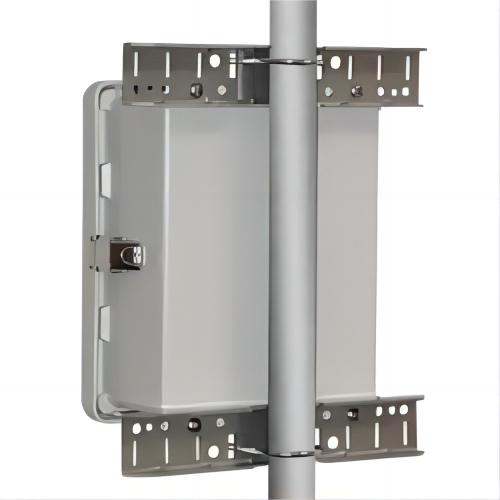
Polycarbonate Enclosures Polycarbonate Electrical Enclosure Polycarbonate enclosures and boxes are excellent choices for outdoor commercial and industrial applications. Polycarbonate is
Carbon Steel Enclosures
Carbon Steel Enclosures Carbon Steel Electrical Enclosure Carbon steel enclosures are typically fabricated in three configurations: hot-rolled, cold-rolled, and galvanized.
Choosing the Right Material For Enclosure
By meticulously evaluating these variables, you can select the suitable material for your control panel, guaranteeing that it fulfills the operational, safety, and durability prerequisites of the intended use.
When selecting the material for a control panel, consider the following factors:
1. Ecological Factors:
- Exposure to compounds that cause corrosion
- Extreme temperatures
- Levels of humidity and moisture
- Ultraviolet (UV) exposure for outdoor applications
2. Technical specifications:
- Resilience to impact
- Weight considerations
- Strength of a structur
3. Electrical Characteristics:
- Requirements for insulation
- Requirements for conductivity
4. Aesthetic and Functional Requirements
- Physical characteristics and surface quality
- Personalization choices
- Efficiency in machining and fabrication
Enclosure Material Knowledge
Key Specifications & Options
The configuration below reflects the options we build to order for electrical enclosures by material. Every parameter can be adjusted to match your drawings and site conditions — send us your requirements and our engineers will confirm what applies to your project.
| Parameter | Options / Typical Range |
|---|---|
| Aluminum | Light, corrosion resistant, thermally conductive — outdoor, telecom, weight-sensitive builds |
| Stainless steel (304/316) | Wash-down, food, pharma, coastal — highest corrosion life of the metals |
| Carbon steel + powder coat | Most economical per unit rigidity — indoor industrial control and distribution |
| Polycarbonate (PC) | Insulating, rust-free, easy to machine — outdoor utility, water, solar controls |
| Selection inputs | Environment (chemicals, moisture, UV), mechanical risk, weight limits, thermal load, budget |
| Coating options | Powder coat (RAL), anodizing, passivation, bead blasting per material |
| Custom builds | All materials cut, punched, welded, and finished to customer drawings |
Frequently Asked Questions
Which enclosure material should I choose for outdoor use?
Aluminum, stainless steel, or UV-stabilized polycarbonate all work outdoors; the deciding factors are corrosion load (coastal air pushes toward 316 stainless), weight limits (favoring aluminum or PC), and budget. Our material selection guide walks through the environment inputs step by step.
Do you manufacture in all of these materials or only some?
All four families — aluminum, 304/316 stainless, carbon steel, and polycarbonate — are built to order in our own fabrication. Many projects combine them, for example a stainless body with an aluminum back pan.
Can material be changed after drawings are started?
Usually yes in the engineering phase, since cutouts and dimensions often carry over between materials of the same thickness class. Coating, welding method, and gasket choices are re-confirmed whenever material changes.
Can I get material samples before ordering?
Yes — we can provide material and finish samples together with the quotation so your team can verify look, feel, and corrosion behavior before committing to production.
Related Guides
- Electrical Enclosure Material Selection: How to Choose for the Environment — the full environment-driven selection method behind this page
- Metal vs Steel Electrical Enclosures: Terminology, Materials, and Selection Inputs — material terminology resolved for specification work
- Outdoor Plastic Junction Boxes: Pros, Cons, and Selection Inputs — where non-metallic materials earn their place outdoors
- Plastic Enclosure Temperature Ratings: Ambient, Heat, UV, and Duty Inputs — thermal limits when considering plastic families
 EN_GB
EN_GB  EN
EN  EN_ZA
EN_ZA  AR
AR  DE
DE  ES
ES  FR
FR  IT
IT  JA
JA  ZH
ZH  TR
TR  RU
RU  EN_CA
EN_CA  EN_AU
EN_AU  NL
NL  PT
PT  FA
FA