







What is the difference?
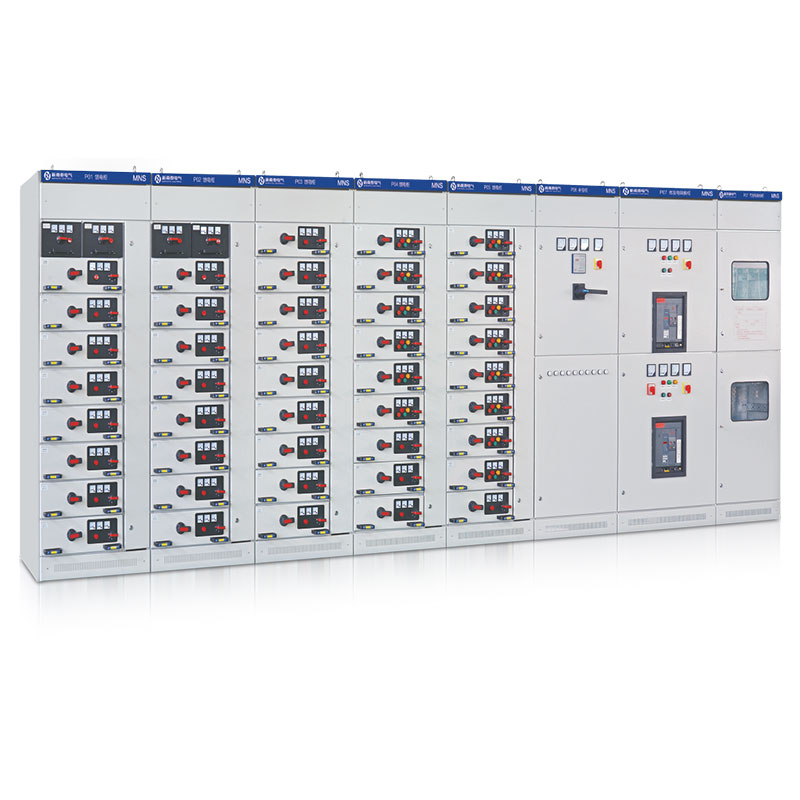
Switchgear and switchboards both distribute electrical power, but they are not interchangeable terms. A switchboard is generally an assembly for distributing and protecting circuits in a lower-voltage or less compartmentalized arrangement. Switchgear is a broader equipment class that can include switching, protection, isolation, metering, and more controlled access to energized parts. The correct choice depends on the system voltage, fault-duty requirements, operating method, maintainability, space, and the project specification.
Functional comparison
| Decision area | Switchboard | 开关设备 |
|---|---|---|
| Main role | Distribution and branch-circuit protection | Switching, protection, isolation, and distribution |
| Typical configuration | Panel or lineup with breakers and busbars | Lineup with defined switching and protection compartments |
| Access and maintenance | Depends on the assembly design and project requirements | Often designed around controlled access and maintenance procedures |
| Voltage and fault duty | Must be confirmed for the specific assembly | Must be confirmed for the specific switchgear class and application |
| Selection focus | Feeder arrangement, space, breaker coordination, enclosure | Protection scheme, switching function, isolation, lineup architecture |
This table is a planning aid, not a substitute for a project specification or equipment test documentation. Product terminology varies between manufacturers and markets.
When a switchboard may be the better fit
A switchboard can be appropriate when the project needs a distribution assembly with incoming and outgoing protective devices, metering, and a defined enclosure arrangement. Common inputs include the service or transformer connection, feeder count, load schedule, available space, cable entry, environmental conditions, and the required protection and coordination study.
The design team should still verify the assembly rating, short-circuit withstand or interrupting requirements, temperature rise, clearances, access arrangement, and applicable local requirements. A product name alone does not prove any of these values.
When switchgear may be the better fit
Switchgear is often selected when the system requires a more deliberate switching and protection architecture. The specification may include an incoming breaker, feeder breakers, bus sectionalizing, metering, isolation functions, interlocks, and a defined maintenance or operating sequence. Medium-voltage applications commonly require additional attention to insulation, cable terminations, grounding, compartmentation, and the selected switching device.
The equipment should be selected as a complete assembly. Do not combine a breaker rating from one product family with a bus, enclosure, or protection claim from another product family without engineering confirmation.
Inputs to collect before choosing
- System voltage, frequency, phase arrangement, and grounding method.
- Available fault current or the project short-circuit study.
- Continuous load, feeder count, motor starting conditions, and future expansion.
- Required switching, isolation, metering, protection, and interlocking functions.
- Cable entry, bus connection, lineup dimensions, access side, and maintenance space.
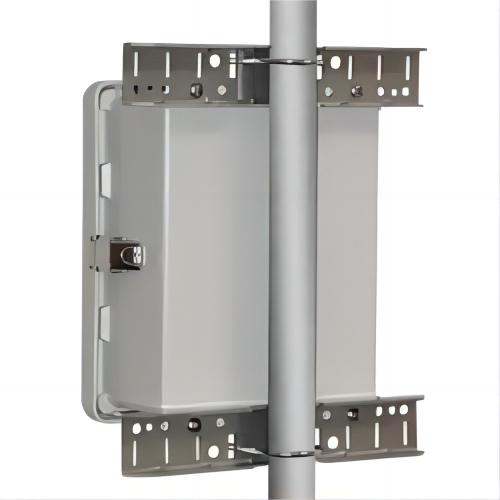
- Indoor or outdoor environment, enclosure requirements, altitude, temperature, dust, moisture, and corrosion exposure.
- Required documentation, inspection, testing, labeling, and the authority having jurisdiction.
Switchgear, switchboard, and control panel are different roles
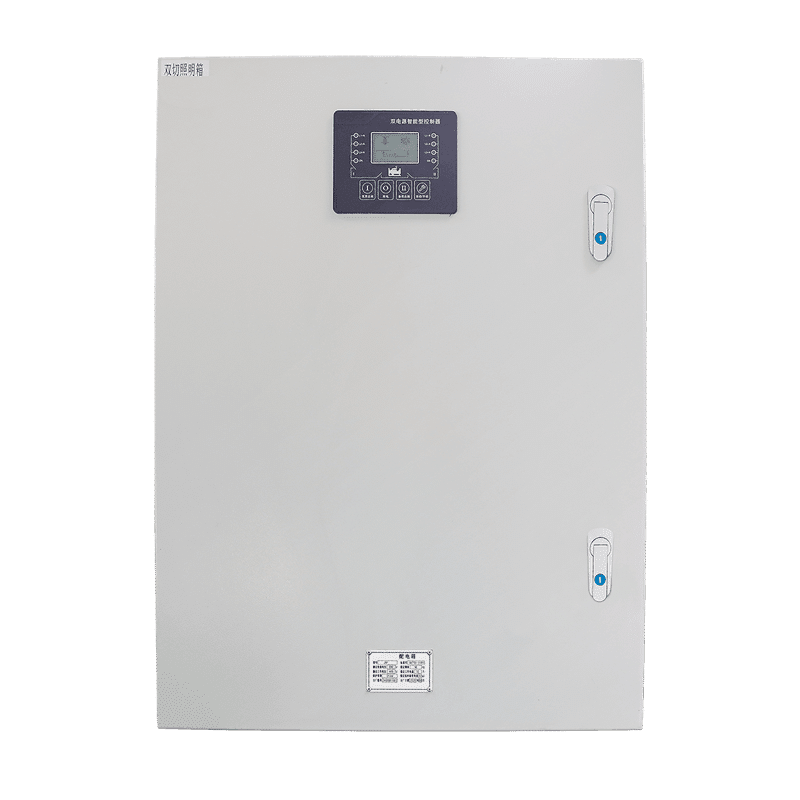
A control panel normally manages a process or machine through control devices, PLCs, HMIs, relays, drives, and field interfaces. A switchboard or switchgear lineup primarily manages power distribution and protection. A project can use both: a distribution assembly may supply a control panel, while the control panel manages pumps, motors, valves, or an automated process.
Keeping these roles separate improves the equipment schedule and prevents a control-panel article from being used as a power-distribution specification.
Practical selection checklist
Ask the supplier to confirm the proposed assembly against the project inputs rather than asking only for a product name. The quotation package should identify the incoming arrangement, outgoing feeders, protection devices, metering, enclosure and access arrangement, cable entry, environmental conditions, documentation, and any required inspection or testing. If a value is not supported by the selected model documentation, leave it as an open engineering item.
ElectricalCabinet.net can use this comparison as a starting point for routing readers to the appropriate low-voltage or medium-voltage switchgear and control-panel product information. Final equipment selection remains project-specific.
 ZH
ZH  EN
EN  EN_ZA
EN_ZA  AR
AR  EN_GB
EN_GB  DE
DE  ES
ES  FR
FR  IT
IT  JA
JA  TR
TR  RU
RU  EN_CA
EN_CA  EN_AU
EN_AU  NL
NL  PT
PT  FA
FA