

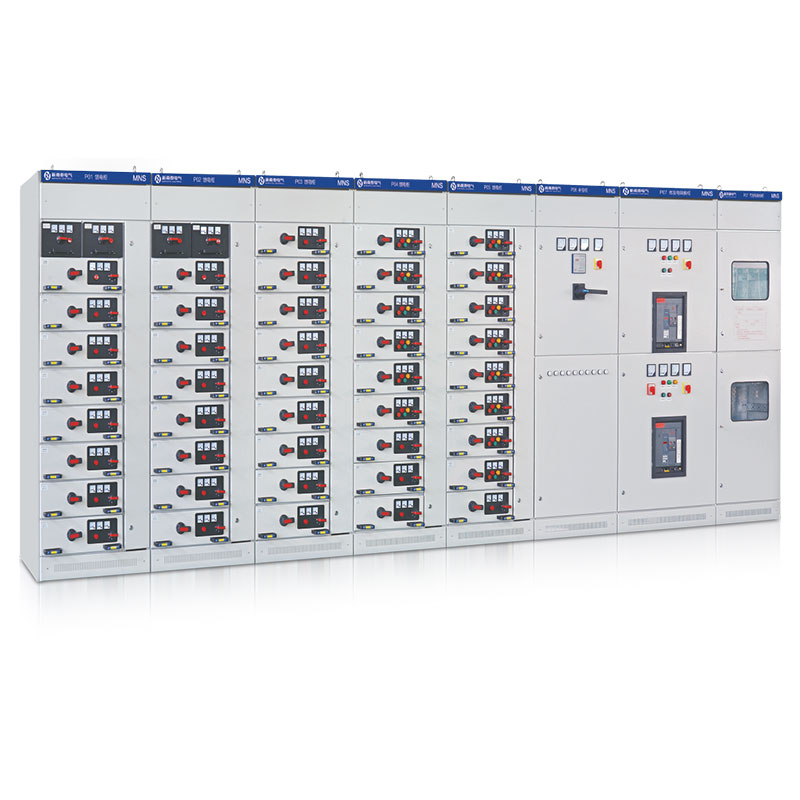


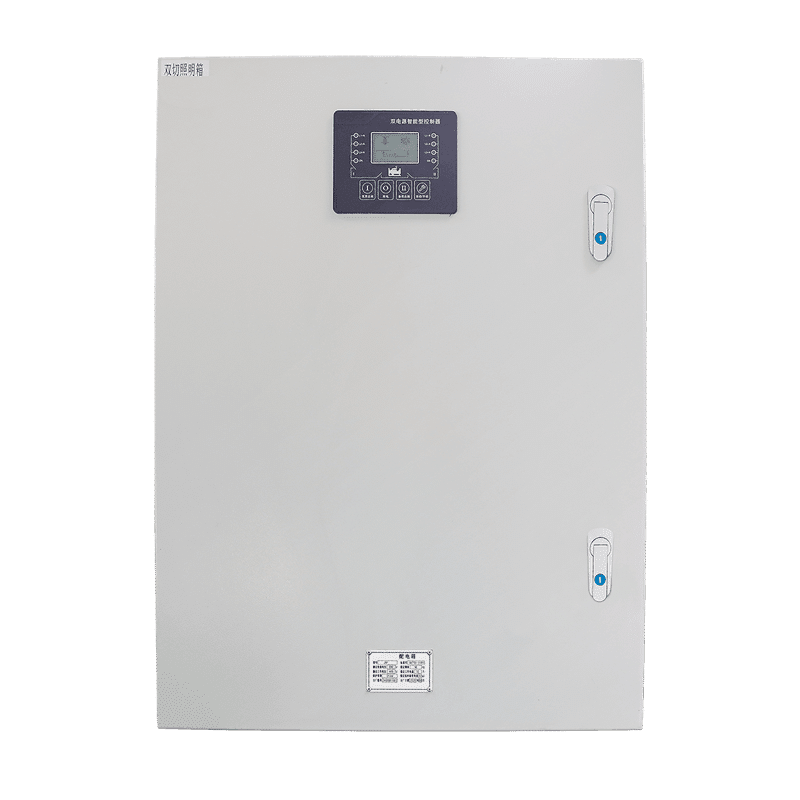




What the control panel coordinates
A dust-collection control panel may coordinate the fan or blower, filter-cleaning sequence, pressure monitoring, dampers, discharge equipment, alarms, and upstream machine permissives. The exact scope depends on the collector type and the process sequence; a timer board or accessory controller is not automatically equivalent to a complete industrial control panel.
Inputs to define
| Input | Why it matters |
|---|---|
| Collector and fan data | Establishes motor, airflow, pressure, and starting interfaces |
| Filter-cleaning method | Defines pulse, timer, differential-pressure, or manual functions |
| Sensors and ranges | Supports pressure, temperature, bin-level, and status signals |
| Dampers and discharge devices | Identifies actuators, permissives, and fault feedback |
| Operating modes | Separates automatic, local, remote, and maintenance behavior |
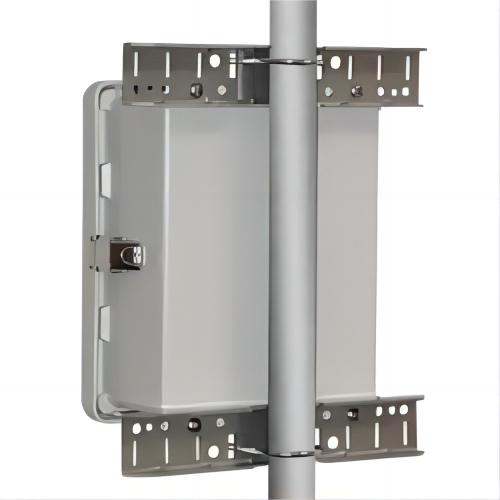
| Environment and cable entry | Determines enclosure location, access, and routing requirements |
Supplier brief
Provide the process narrative, fan and motor schedule, filter-cleaning sequence, instrument data sheets, alarm matrix, incoming power, upstream/downstream interfaces, drawings, labels, and responsibility boundaries. Clarify whether programming, field wiring, commissioning, and dust-hazard engineering are included.
Scope boundary
This article organizes control-panel inputs. It does not certify a dust hazard area, select a fan, or guarantee filtration performance. Equipment-specific engineering and local safety requirements remain necessary.
ElectricalCabinet.net can coordinate a dust-collection control-panel enquiry around the collector, motor, instrumentation, and interface scope.
 ZH
ZH  EN
EN  EN_ZA
EN_ZA  AR
AR  EN_GB
EN_GB  DE
DE  ES
ES  FR
FR  IT
IT  JA
JA  TR
TR  RU
RU  EN_CA
EN_CA  EN_AU
EN_AU  NL
NL  PT
PT  FA
FA