

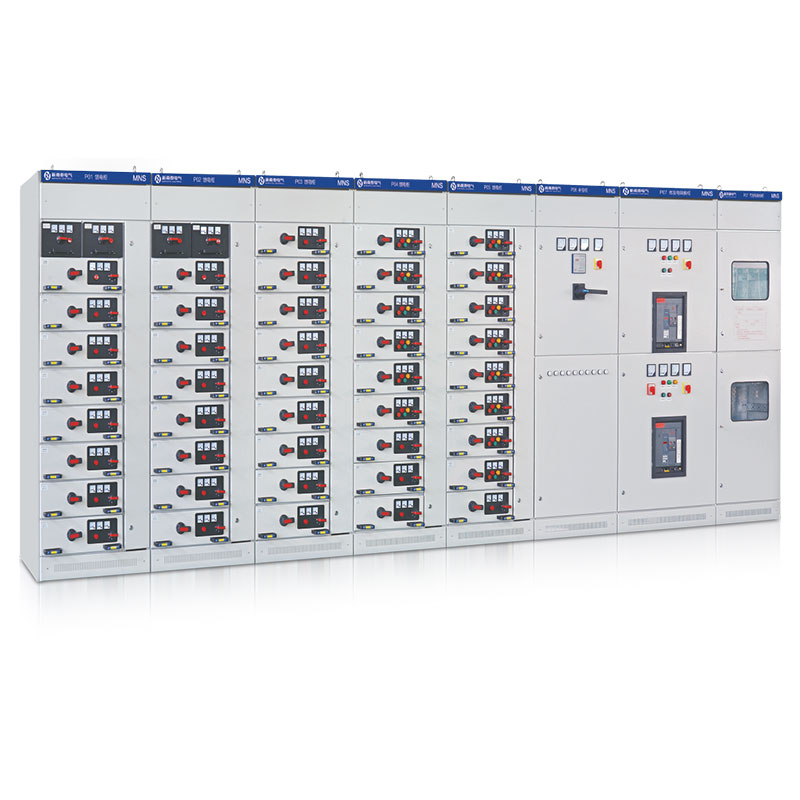


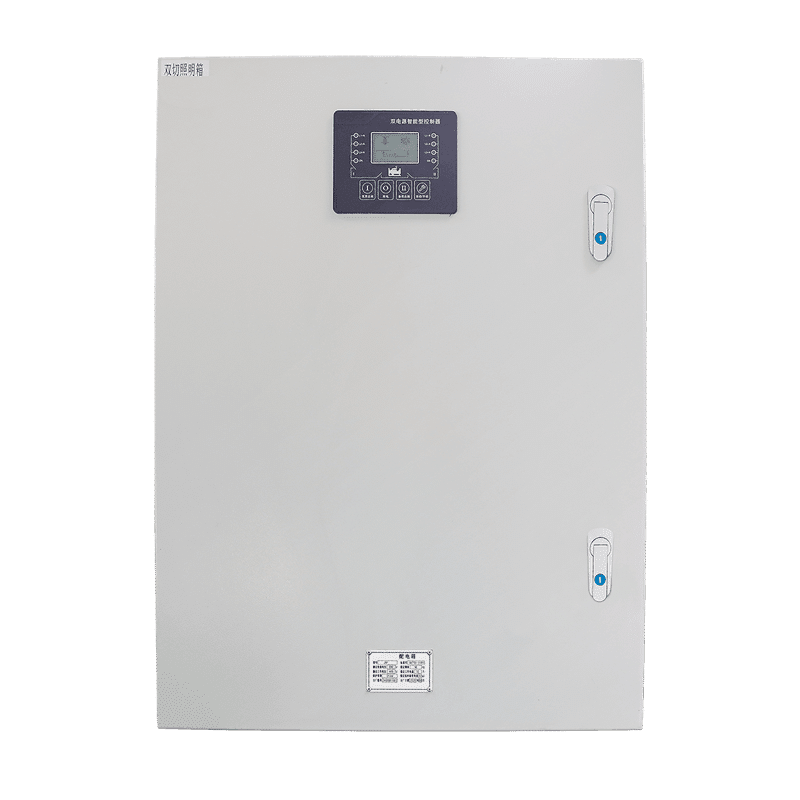


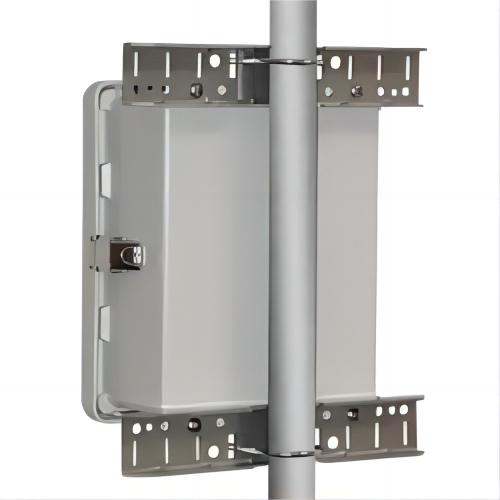


An electrical control panel design specification should describe the system function, equipment interfaces, operating modes, environment, documentation, and responsibility boundaries before a panel is quoted or approved. A product name such as “industrial control panel” does not define the required components, ratings, wiring, software, or commissioning scope.
This article is a planning guide for preparing an inquiry or design review. It does not replace an approved electrical design, the applicable project standards, or the manufacturer documentation for the selected equipment.
Start with the controlled process and equipment
The specification should explain what the panel controls and how the system is expected to operate. Begin with the process description, equipment list, operating sequence, and external interfaces rather than starting with a cabinet size or component list.
Record:
- the machines, motors, valves, actuators, heaters, or other loads;
- normal, manual, automatic, standby, and fault operating modes;
- sensors, feedback signals, alarms, permissives, and interlocks;
- local operator controls, HMI requirements, and remote commands; and
- the boundary between the panel, field devices, PLC, drive, and supervisory system.
Define the electrical inputs
The electrical section should identify the supply and the information needed to select and coordinate the equipment. Do not infer a rating from a generic panel title or a photograph.
The inquiry may need to include:
– supply system information provided by the project engineer; – frequency, phases, available fault information, and isolation requirements; – motor or load nameplate data and duty information; – protective-device, disconnect, and control-power expectations; – grounding, bonding, and cable-entry requirements; and – any customer, site, or local documentation requirements.
The final ratings and protection arrangement must be verified for the actual equipment and project. A specification checklist is not a substitute for short-circuit, protection, or coordination engineering.
Separate power, control, and interface requirements
A clear specification distinguishes the main design layers so that the supplier and customer do not assume different responsibilities.
| Specification layer | Questions to answer |
|---|---|
| Incoming power | What supply, isolation, protection, and termination information applies? |
| Loads and drives | Which motors or loads are controlled, and what data is available? |
| Control logic | Which sequences, permissives, alarms, and interlocks are required? |
| Operator interface | What must be controlled, displayed, acknowledged, or adjusted locally? |
| External interfaces | Which PLC, SCADA, instruments, field devices, or communication systems connect? |
| 附文 | Where is the panel installed, and what access and environmental conditions apply? |
| Documentation | Which drawings, schedules, labels, manuals, and inspection records are required? |
This separation helps identify missing inputs early and reduces the risk of treating a supplier assumption as an approved requirement.
Describe the enclosure and installation conditions
The enclosure portion should define the installation context rather than only requesting a material or rating. State whether the panel is indoors or outdoors, how it will be mounted, how cables enter, and what exposure, maintenance, and access conditions apply.
Also review:
- available footprint and service clearances;
- door, window, gland plate, conduit, and lifting requirements;
- dust, rain, washdown, corrosion, temperature, and condensation exposure;
- heat-producing equipment and the required equipment documentation; and
- transport, storage, installation, and maintenance assumptions.
If a NEMA or IP classification is required, the exact classification and product evidence must be confirmed for the selected model. The classification should not be guessed from a general enclosure image.
Specify documents and review points
The design specification should state what the supplier must provide and when it will be reviewed. Depending on the project, this may include a bill of materials, general arrangement, terminal schedule, I/O list, control narrative, wiring documentation, nameplate schedule, manuals, inspection records, and revision-controlled drawings.
The document should also identify:
– who supplies the process sequence and instrument data; – who approves the electrical design; – who programs the PLC or drive; – who installs field wiring and performs commissioning; and – which changes require written approval.
This scope definition is especially important when a panel image, a standard product description, or a previous project is being used as a starting point.
Standards and customer requirements
Projects may reference standards, customer specifications, or inspection requirements. List the references that actually apply to the project and ask the responsible engineer or authority to confirm their applicability. Do not claim that a panel is UL, IEC, NEMA, or otherwise certified merely because a standard appears in a general article or quotation request.
The supplier should identify assumptions, exclusions, and evidence for any requested compliance claim. The final documentation should match the exact equipment and configuration being supplied.
A practical specification checklist
Before requesting a quotation, confirm that the package includes:
- process description and operating sequence;
- equipment and load list;
- I/O, instrument, alarm, and interface list;
- supply and installation information;
- enclosure, access, and environmental requirements;
- required drawings, labels, manuals, and inspection records;
- responsibility boundaries and commissioning assumptions; and
- a list of open questions and supplier assumptions.
For broader design context, see the electrical control panel guide 和 how to design electrical control panels. The industrial control panel components guide can help organize the component terminology, but the final bill of materials still depends on the project inputs.
Final review before approval
Read the specification from the perspective of the panel builder, electrical reviewer, installer, and operator. Each party should be able to identify what the panel must do, what information is still missing, which documents will be delivered, and who owns each unresolved decision.
A useful specification does not attempt to hide uncertainty behind a generic equipment name. It makes the design inputs, assumptions, interfaces, and evidence requirements visible before fabrication or approval begins.
Standards and best-practice review
Standards and best-practice references can help a team review panel construction, component selection, layout, wiring documentation, marking, and safety responsibilities. The applicable references depend on the project location, equipment, customer requirements, and authority having jurisdiction. A general article cannot establish which standard applies or certify a specific panel.
List the references supplied by the project team, identify the clauses or deliverables that affect the panel, and ask the responsible engineer to confirm applicability. The supplier should identify assumptions, exclusions, and evidence for any requested compliance claim. Do not copy a standard name into a quotation and treat it as proof of certification.
Best-practice checks before release
- Confirm that the load, I/O, control narrative, and interface information are complete.
- Review power, control, instrumentation, and communication separation in the layout.
- Match device identifiers, terminals, labels, drawings, and schedules.
- Check access, maintenance, enclosure conditions, and equipment documentation.
- Record open questions, assumptions, revisions, and approval responsibility.
 ZH
ZH  EN
EN  EN_ZA
EN_ZA  AR
AR  EN_GB
EN_GB  DE
DE  ES
ES  FR
FR  IT
IT  JA
JA  TR
TR  RU
RU  EN_CA
EN_CA  EN_AU
EN_AU  NL
NL  PT
PT  FA
FA