

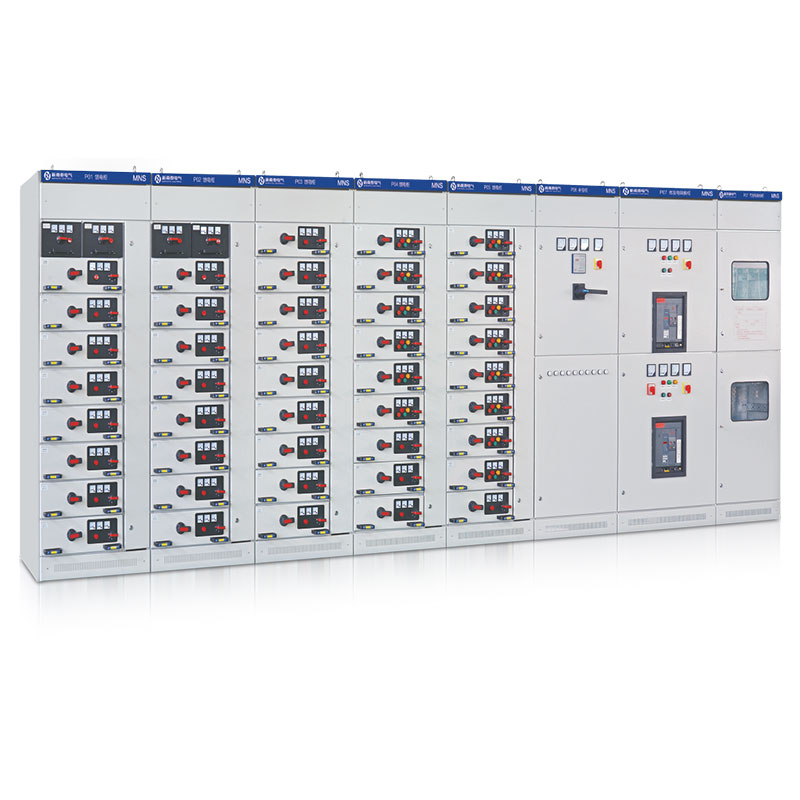


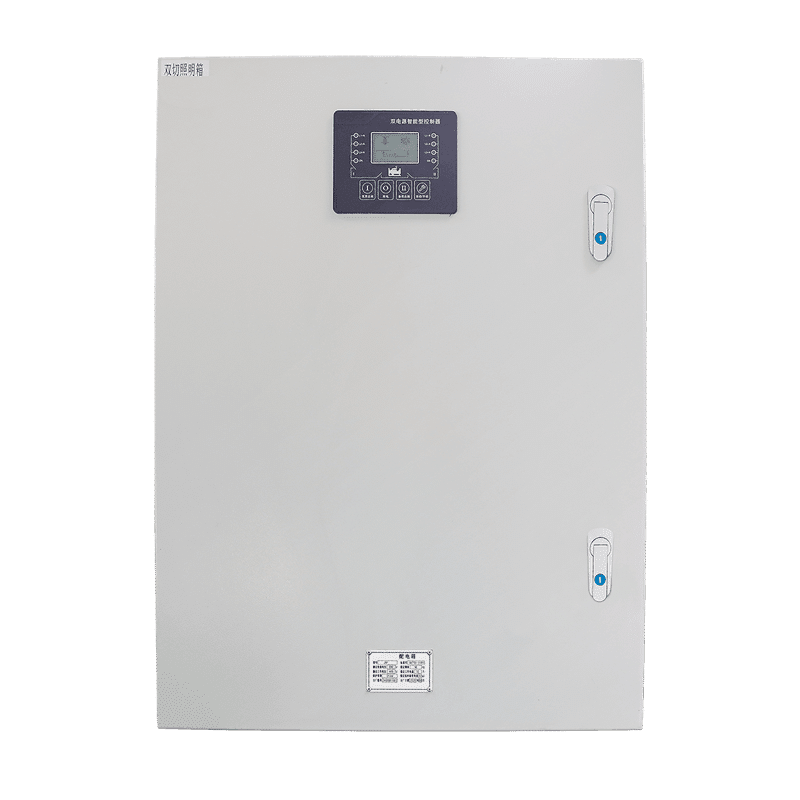


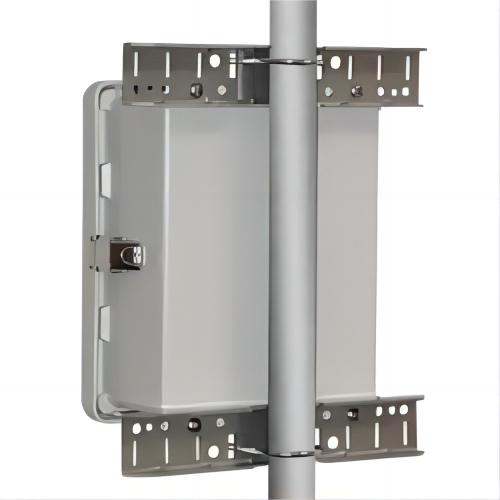


Fire Fan Control Cabinet Manufacturer
Fire Fan Control Cabinet Products

Single Speed Dual Power Supply Fire Fan Control Cabinet

Double Speed Dual Power Supply Fire Fan Control Cabinet

Multiple Four-Way Smoke Prevention And Exhaust Fire Ventilation Cabinet

Single Speed Dual Power Supply Star Delta Fan Control Cabinet

30kw One-Control Three-Fire Fan Cabinet

Dual Power Supply Fan Box

One Control And One Power Supply Fire Fan Cabinet
Fire Fan Control Cabinet Process
04
安装和布线
布线工作必须遵循最佳实践和安全实践,正确的安装和布线程序对于确保设备运行的安全和效率至关重要。
05
测试和质量控制
电气柜的设计和性能要通过一系列测试来验证,以确保所有组件在实际运行中都能发挥预期作用并满足安全要求。
06
文件和维护指南
为电柜的长期使用和维护提供了详细的操作和维护手册,包括故障排除指南和日常维护计划。


Key Aspects Of Fire Fan Control Cabinet Manufacturing
1.设计与工程
- 结构设计: Creates strong shelters that can endure high heat and smoke. Considers the accessibility for emergency operations and maintenance. Ensures adherence to fire safety regulations.
- 电气系统设计: Concentrates on dependable control of fire ventilation fans. Includes fail-safe measures and redundant systems. Designed to integrate seamlessly with the building's fire safety systems.
- Thermal Management: Implements cooling techniques to keep interior temperatures at their ideal levels. It is critical to ensure electronic component dependability during fire crises.
- 界面布局: Creates intuitive control panels for fast operation in an emergency. Prioritizes clear labeling and quick access to important controls.
2.主要组成部分
- Fan Control Units: Central components for controlling various fire ventilation fans. Offers variable speed control and monitoring capabilities.
- Power Distribution: Includes both primary and backup power supply. Designed to provide continuous fan operation during power interruptions.
- 输入/输出模块: Works with a variety of sensors, alarms, and building management systems. Required for automatic fan control based on fire detection signals.
- 通信模块: Allows interaction with central fire alarm systems and emergency services. Provides remote monitoring and control capabilities.
- Override Switches: Allows for manual control of fans in an emergency. Designed for firemen to operate quickly and intuitively.
3.材料选择
- Heat-resistant enclosures: Utilizes materials that can resist severe temperatures. Special coatings or insulation may be used to increase fire resistance.
- Fire-Rated Cables: Employs fire-resistant cables. Maintains uninterrupted power and control signal transmission.
- EMI Protection: Uses shielding materials to avoid electromagnetic interference. During an emergency, it is critical to maintain dependable fan control.
4.制造工艺
- 精密制造: CNC machining is used to ensure perfect component fitment. Ensures excellent sealing and protection against heat and smoke.
- 专业化装配: It requires careful integration of control systems and power components. Requires knowledge of fire safety equipment assembly.
- Comprehensive testing: This includes functional testing under simulated fire situations. Tests fan control responsiveness and system dependability.
5.质量控制
- Environmental Testing: Cabinets are subjected to intense heat and smoke conditions. Ensures functionality and durability in fire-related conditions.
- Performance Verification: Tests all control functions, both automated and manual. Validates correct connection with fire detection systems.
- Compliance checks: Ensures compliance with applicable fire safety standards and building codes. There may be third-party certification methods.
6. Safety Standards and Certification:
- Fire Safety Compliance: Conforms to standards such as NFPA, EN 12101, and local fire codes. Involves extensive documentation and, in many cases, independent testing.
- 电气安全 Meets electrical safety regulations in high-temperature situations. Includes particular considerations for emergency operations.
- Building Code Requirements: Complies with certain building rules governing smoke control systems. Variations may occur depending on the kind of structure and the local jurisdiction.
7. Customization and Integration
- System Scalability: Cabinets are designed to regulate various numbers of fans. Allows for customisation dependent on building size and ventilation needs.
- BMS Integration: Interfaces allow for smooth integration with Building Management Systems. enables coordinated emergency response across many systems.
- Site-specific adaptations: Modifies designs to accommodate certain building layouts and fire safety procedures. Custom programming may be required for specific ventilation circumstances.

 ZH
ZH  EN
EN  EN_ZA
EN_ZA  AR
AR  EN_GB
EN_GB  DE
DE  ES
ES  FR
FR  IT
IT  JA
JA  TR
TR  RU
RU  EN_CA
EN_CA  EN_AU
EN_AU  NL
NL  PT
PT  FA
FA