

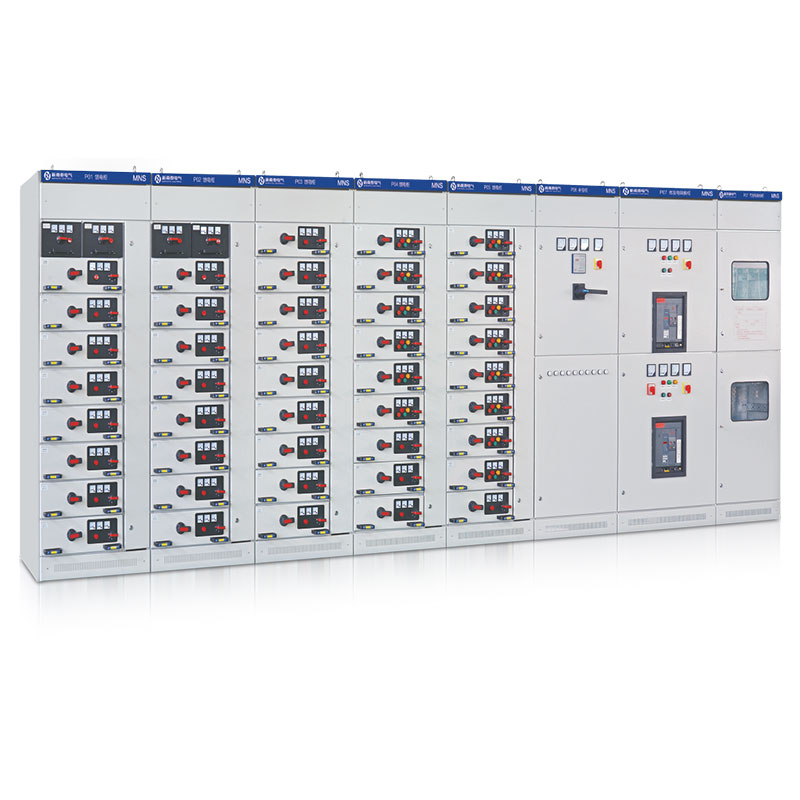


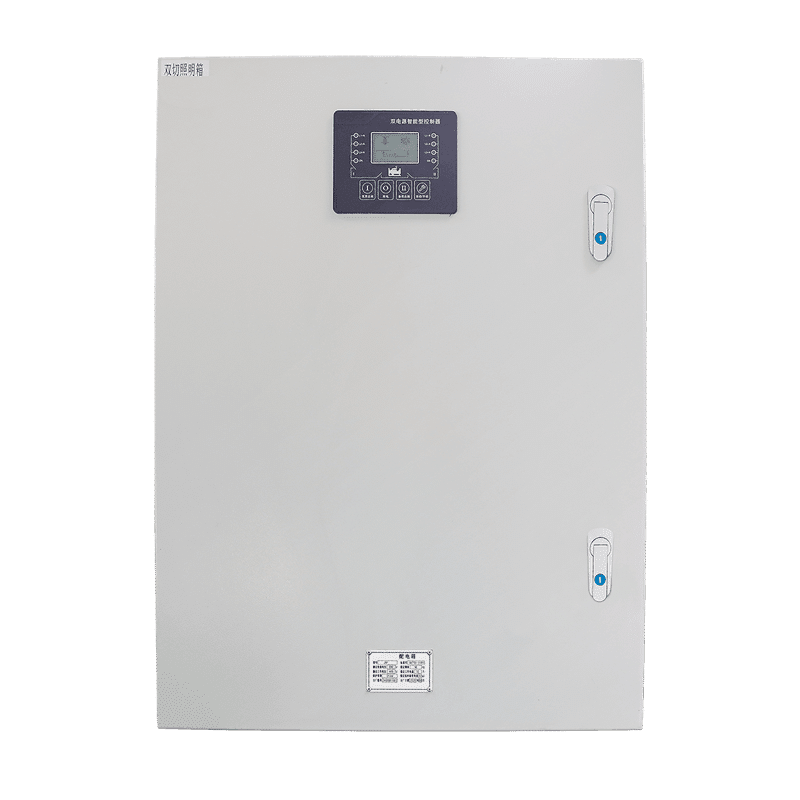


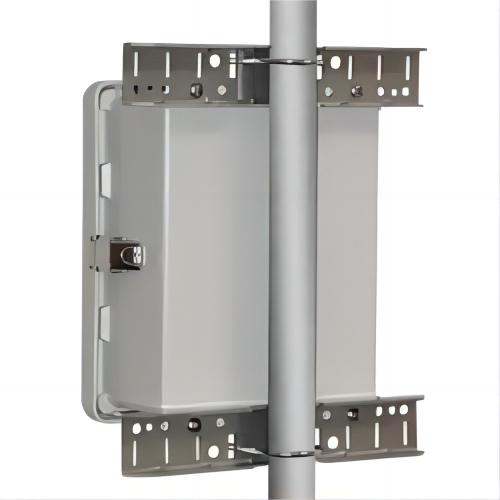


Panelboard vs Switchgear vs Control Panel: Power and Automation Boundaries
Compare panelboard, switchgear, and control-panel functions using one-line, load, protection, sequence, I/O, and responsibility inputs.

Compare panelboard, switchgear, and control-panel functions using one-line, load, protection, sequence, I/O, and responsibility inputs.
Evaluate medium-voltage switchgear suppliers using voltage, fault duty, feeders, earthing, automation, testing, evidence, and lifecycle support inputs.
Evaluate low-voltage switchgear suppliers using electrical duty, feeders, protection, drawings, testing, standards, manufacturing, and service inputs.
Define power distribution switchgear source, feeder, bus, operating-mode, protection, metering, communications, and environment inputs.
Compare ring main unit types using network ways, transformer feeder duty, fault level, operation, earthing, and environment.
Define low-voltage switchgear voltage, frequency, current, fault, earthing, environment, and cable-entry inputs before selection.
Plan switchgear conversion from as-found data, dimensions, bus, cables, protection, outage, controls, testing, and handover evidence.
Select a power distribution panel using source, loads, fault data, feeder count, protection, metering, environment, and interfaces.
Define ring main unit ways, transformer feeder protection, earthing, cable, automation, enclosure, and network interface inputs.
Understand low-voltage switchgear distribution, protection, isolation, measurement, control, and environmental selection inputs.
 NL
NL  EN
EN  EN_ZA
EN_ZA  AR
AR  EN_GB
EN_GB  DE
DE  ES
ES  FR
FR  IT
IT  JA
JA  ZH
ZH  TR
TR  RU
RU  EN_CA
EN_CA  EN_AU
EN_AU  PT
PT  FA
FA