

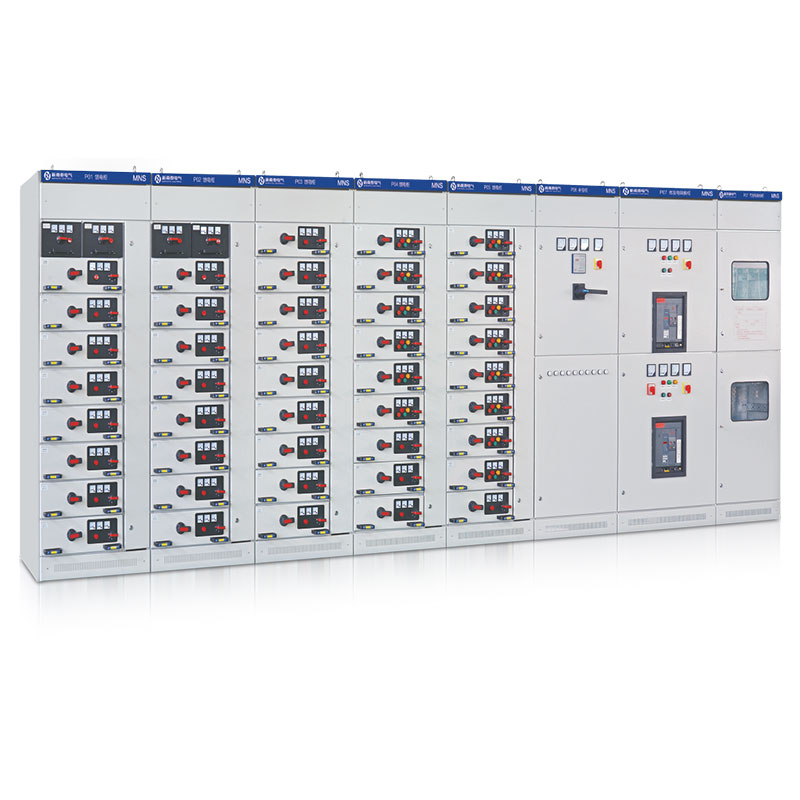


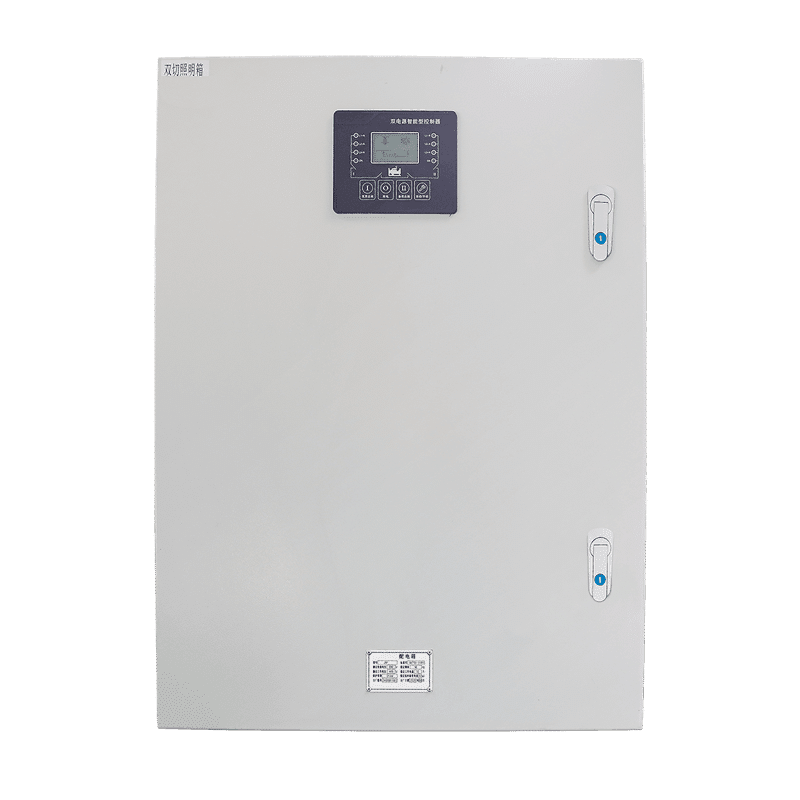


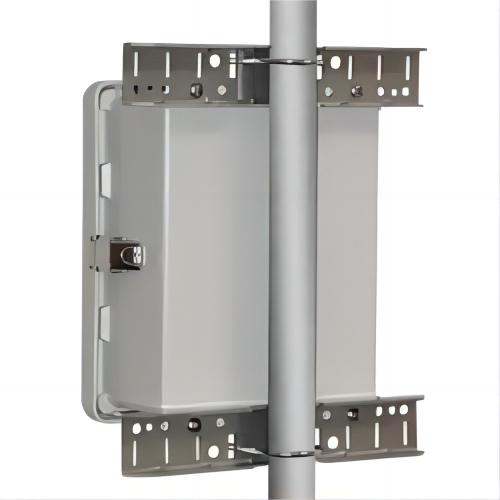


A box-type substation brings defined medium-voltage, transformer, and low-voltage functions together in a compact enclosure or package. The name describes a configuration approach, not one universal transformer capacity, system voltage, protection scheme, or site-service scope.
Before selecting a box-type substation, define the electrical arrangement, interfaces, environment, access, and documentation. This makes it possible to compare a product configuration with the actual project requirement.
What a box-type substation may include
Depending on the design, a box-type substation may combine:
– medium-voltage incoming and switching equipment; – transformer section; – low-voltage distribution or feeder section; – protection, metering, and control interfaces; – cable termination areas; and – enclosure, ventilation, access, and mounting provisions.
The final arrangement varies by product and project. A generic box-type substation image or title does not establish the exact equipment included.
De Packaged Substation Design article covers design inputs for a packaged configuration. The Prefabricated Substation Checklist covers delivery, interface, and responsibility questions. This article focuses on the box-type equipment arrangement itself.
Define the electrical arrangement
Provide the project single-line information and describe the relationship between the incoming supply, MV section, transformer, LV section, and connected loads. State whether the package includes switching, fuses, circuit breakers, metering, protection, or control interfaces.
If the arrangement has a bypass, tie, spare feeder, future expansion, or alternate operating mode, write it into the requirement. Do not assume that a standard box-type package includes those functions.
Inputs for selection
System and load data
Provide supply information, transformer or load data, feeder count, operating mode, and future expansion assumptions. The exact ratings and protection depend on the project engineering information and the selected configuration.
Site and installation conditions
Document indoor or outdoor location, ambient conditions, moisture, contamination, access, mounting or foundation, cable-entry direction, transport route, and lifting constraints. Identify who is responsible for civil work, installation, grounding, and field connections.
Protection, metering, and control
List required protection functions, metering points, alarms, local or remote control, and communications. Protection coordination and settings must come from the project; they should not be inferred from the term “box-type.”
Enclosure and maintenance
Describe access direction, service boundaries, ventilation or thermal assumptions, materials, finish, and any required enclosure documentation. Verify NEMA, IP, UL, IEC, or other claims for the exact product and configuration.
Questions for a box-type substation quotation
Ask the supplier to identify:
- MV, transformer, and LV sections included;
- incoming and outgoing cable interfaces;
- switching, protection, metering, and control devices;
- transformer and load assumptions;
- enclosure, access, ventilation, and mounting requirements;
- transport, lifting, foundation, and site responsibilities;
- drawings, data sheets, manuals, inspection, and testing documents; and
- exclusions related to installation, commissioning, and local approvals.
The answers should be tied to a section drawing and an equipment schedule. This prevents a product title from being used as a substitute for a documented configuration.
Product reference
Review the Box-Type Substation product page after defining the project inputs. Where the project calls for another packaged or prefabricated arrangement, compare the actual sections, interfaces, and responsibilities rather than treating the product names as interchangeable.
Final checklist
Before approving a proposal, compare the project single-line, load and feeder schedule, protection and metering scope, site constraints, equipment section arrangement, documentation, and supplier exclusions. Do not publish or approve a specific voltage, capacity, fault duty, noise level, certification, or delivery claim until the exact proposed configuration has been reviewed.
Box-type substation selection inputs
Box-type substation selection should begin with the network function and site constraints, not with a generic enclosure name. Confirm the transformer arrangement, incoming and outgoing equipment, required switching and protection functions, cable interfaces, access, transport route, installation environment, and expansion expectations.
Questions for a quotation request
- What system voltage, frequency, load, and transformer information is available?
- Which incoming, outgoing, switching, protection, and metering functions are required?
- Is the installation indoor or outdoor, and what environmental exposure must be considered?
- What footprint, access, lifting, cable-entry, and maintenance constraints apply?
- Which drawings, inspection records, and compliance documents are required?
Box-type, packaged, and prefabricated descriptions can overlap in commercial language. Compare the actual configuration and documentation rather than treating the names as interchangeable. Related planning context is available in the packaged substation design article.
 NL
NL  EN
EN  EN_ZA
EN_ZA  AR
AR  EN_GB
EN_GB  DE
DE  ES
ES  FR
FR  IT
IT  JA
JA  ZH
ZH  TR
TR  RU
RU  EN_CA
EN_CA  EN_AU
EN_AU  PT
PT  FA
FA