

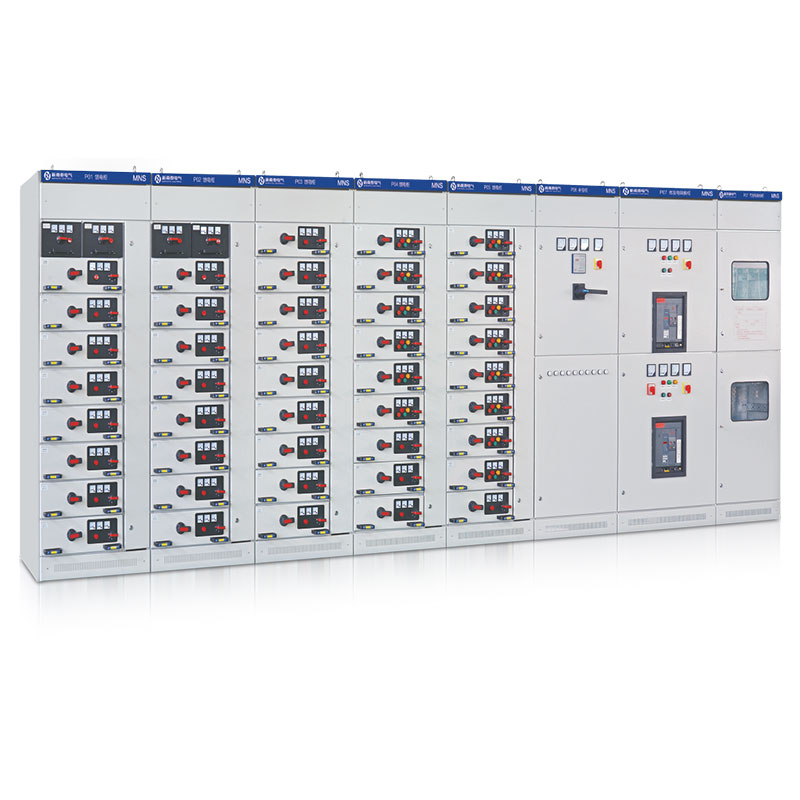


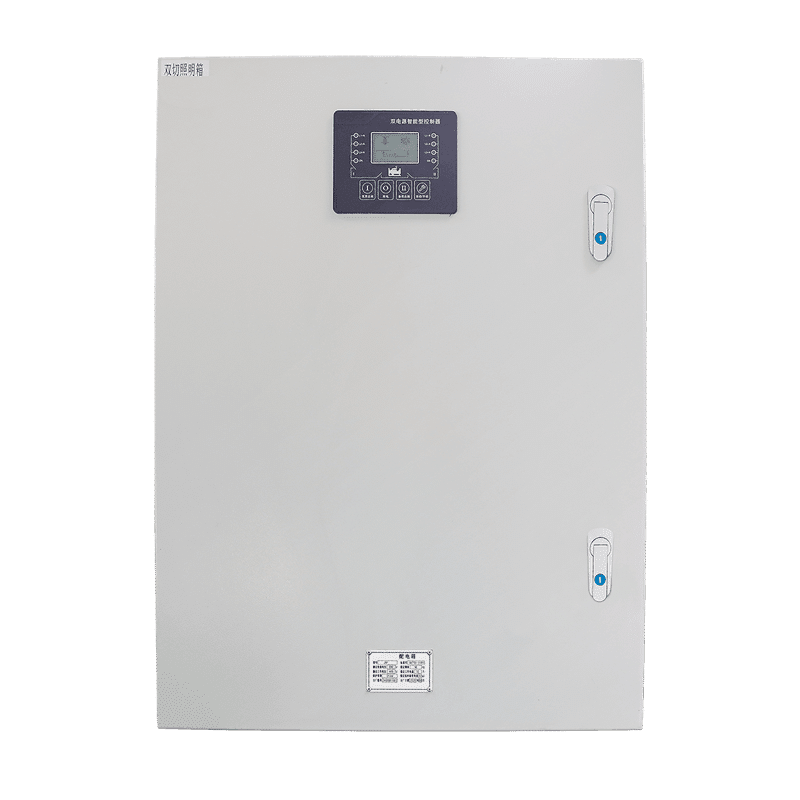


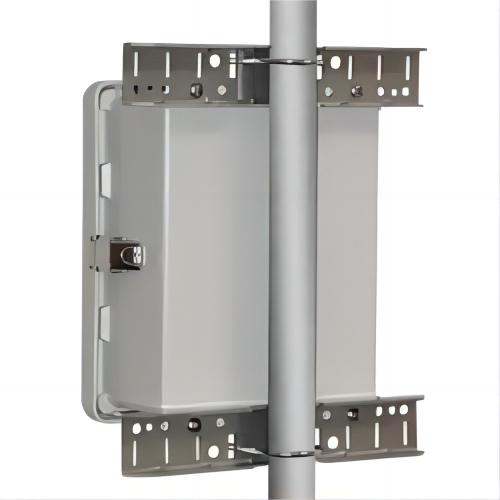


Railway power-distribution cabinets may serve traction auxiliaries, stations, signaling support, wayside equipment, or facility services. The cabinet brief should identify the railway function and interfaces before selecting a construction or enclosure arrangement.
Define the railway function
Record the incoming source, downstream circuits, voltage, phase or DC arrangement, protection interfaces, metering, monitoring, and communication requirements. Clarify whether the cabinet is part of traction power, station distribution, signaling support, or a non-rail facility system.
Environment and service
Capture indoor/outdoor location, vibration, temperature, dust, moisture, corrosion, mounting, access, cable routing, and maintenance windows. Record the project owner for grounding, protection coordination, railway standards, and approval. Do not claim railway compliance without final product and project evidence.
Selection checklist
- Railway function, source, load schedule, and responsibility matrix.
- Protection, grounding, metering, monitoring, and communication inputs.
- Vibration, temperature, water, dust, corrosion, and mounting conditions.
- Cable entry, access, labels, inspection, and maintenance records.
Cabinet images can illustrate layout and access. They are not evidence of a railway deployment or approval.
 ES
ES  EN
EN  EN_ZA
EN_ZA  AR
AR  EN_GB
EN_GB  DE
DE  FR
FR  IT
IT  JA
JA  ZH
ZH  TR
TR  RU
RU  EN_CA
EN_CA  EN_AU
EN_AU  NL
NL  PT
PT  FA
FA