







A prefabricated substation is a factory-assembled or modular substation arrangement intended to bring defined electrical equipment together before delivery to the site. The term describes a delivery and configuration approach, not one universal transformer size, voltage, enclosure, or engineering scope.
Before selecting a product, define the electrical function, site constraints, equipment interfaces, documentation, and responsibilities. This prevents a product label from being mistaken for a complete project design.
What “prefabricated substation” can include
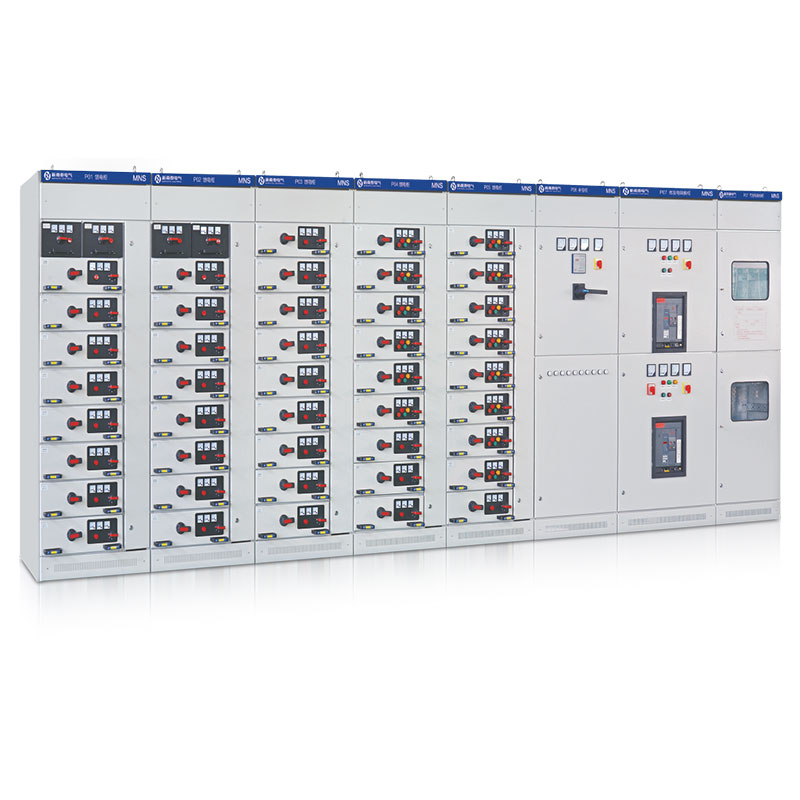
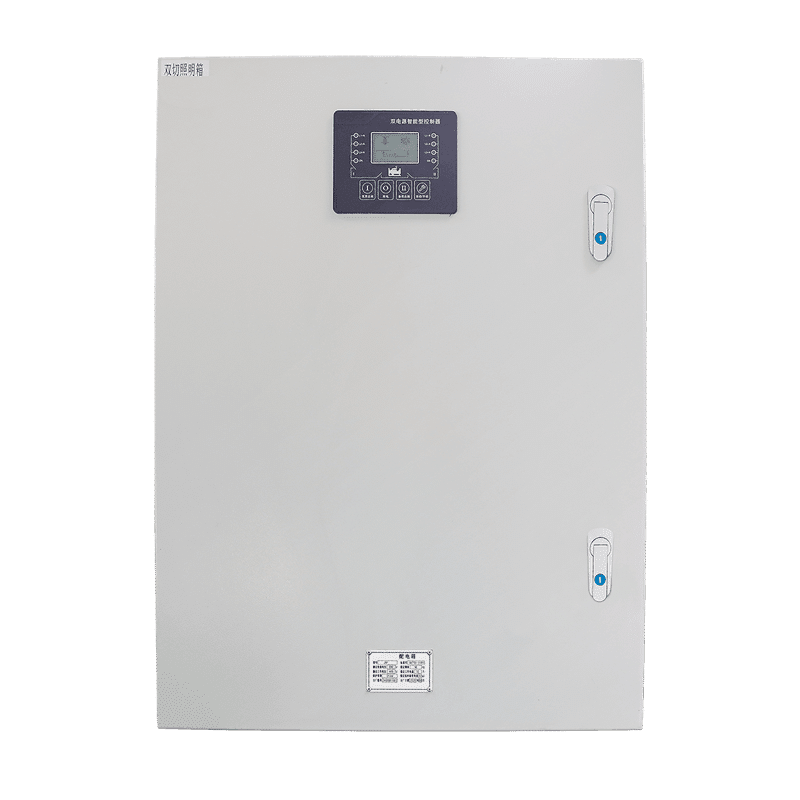
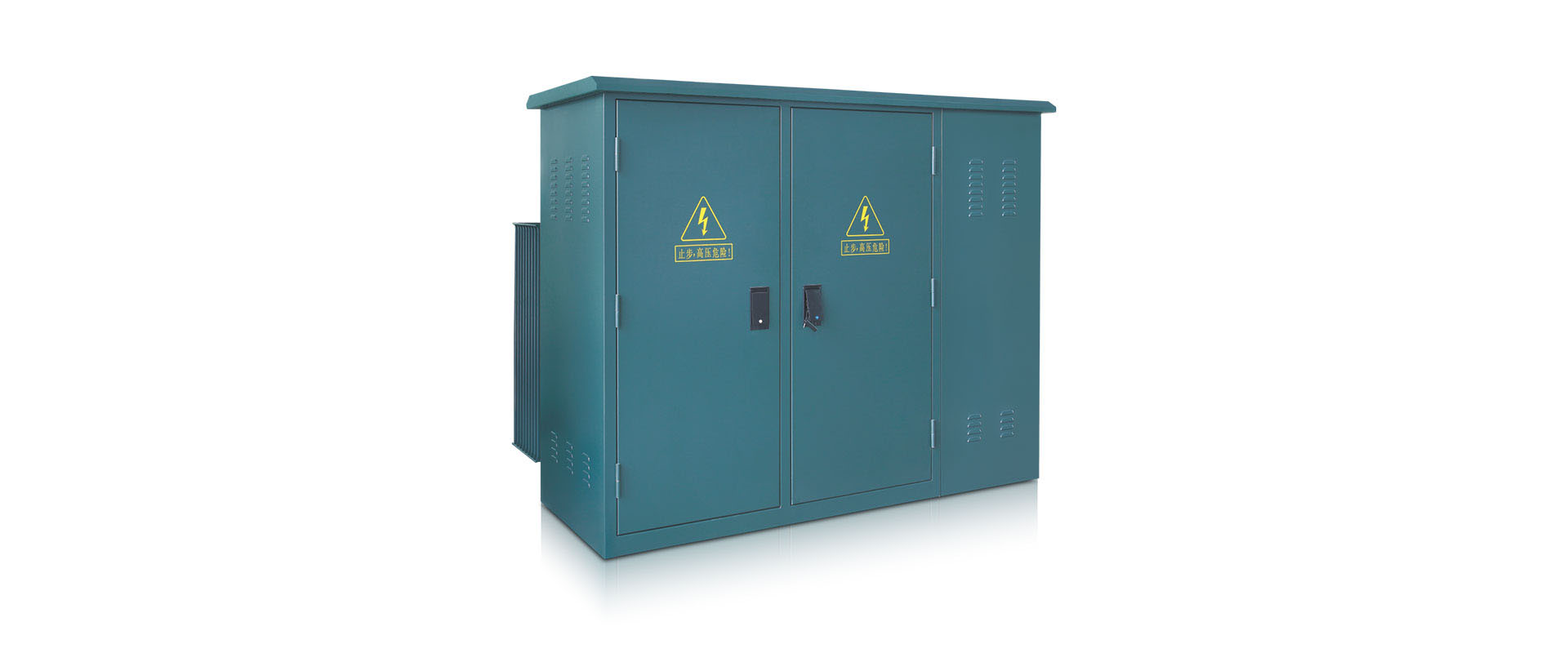
Depending on the project, a prefabricated arrangement may combine a transformer, medium-voltage switching, low-voltage distribution, protection, metering, control, and an enclosure or building. The actual scope varies by supplier and configuration.
En Packaged Substation Design article focuses on the design inputs that should be defined before choosing a package. This article focuses on how to describe the prefabricated configuration and procurement scope.
Define the electrical arrangement first
Prepare the project single-line information and identify the relationships between the incoming supply, transformer, medium-voltage equipment, low-voltage distribution, and connected loads. State whether the arrangement includes a transformer section, MV switching, LV feeder sections, protection, metering, or control interfaces.
Avoid assuming that every prefabricated substation includes the same equipment. Ask the supplier to provide a section-by-section description and identify what is supplied, coordinated, or excluded.
Inputs for configuration
System and load information
Provide the available supply information, transformer or load data, feeder count, operating mode, and any future expansion assumptions. The final equipment selection depends on project engineering data, not just a nominal substation label.
Site and installation conditions
Document the site location, access route, foundation or mounting assumptions, cable entry, clearances, ambient conditions, environmental exposure, and maintenance access. Include transport and lifting constraints if the unit will be delivered as a completed module.
Protection, metering, and control
List the required protection functions, metering points, alarms, local or remote controls, and communication interfaces. Protection coordination, settings, and commissioning responsibilities should be assigned explicitly rather than implied by the word “prefabricated.”
Interfaces and responsibilities
Clarify which party provides incoming and outgoing cables, terminations, grounding, civil works, installation, testing, commissioning, and local approvals. A factory-assembled package may reduce site assembly, but it does not automatically include every site service.
Configuration questions to send to a supplier
Ask for clear answers to the following:
- What equipment sections are included?
- What are the incoming and outgoing interfaces?
- Which protection, metering, and control devices are included?
- What enclosure or building arrangement is proposed?
- What transport, lifting, foundation, and cable-entry assumptions apply?
- Which drawings, data sheets, manuals, and inspection records are supplied?
- What installation, testing, and commissioning work is excluded?
- How are future expansion or replacement requirements handled?
The answers should be tied to a drawing and a written equipment schedule. This makes it easier to compare a packaged product with a project-specific alternative.
Product routes for further review
Depending on the required arrangement, review the Box-Type Substation, Subestación estadounidense prefabricada, and Box-Type Opening and Closing Station product pages. These pages should be used to match the actual product scope to the project inputs, not as proof that every configuration is interchangeable.
Documentation and approval checklist
Before approving a prefabricated substation proposal, compare:
– project single-line and equipment schedule; – proposed section arrangement and interfaces; – protection, metering, and control scope; – site, transport, foundation, and cable-entry assumptions; – required drawings, data sheets, manuals, and inspection documents; and – supplier exclusions and responsibilities after delivery.
Do not publish or approve a specific voltage, capacity, fault rating, standard, noise level, or local compliance claim until the exact configuration and supporting documents have been reviewed.
Describe the prefabricated scope clearly
“Prefabricated substation” can describe an equipment arrangement, a factory-assembled package, or a broader delivery scope. A quotation should state which equipment is included, how sections interface, what site work remains, and which drawings or inspection records accompany the delivery.
Procurement inputs to confirm
- Equipment configuration and incoming/outgoing interfaces.
- Transport, lifting, foundation, access, and cable-entry assumptions.
- Protection, metering, monitoring, and communication requirements.
- Supplier, installer, and commissioning responsibility boundaries.
Compare these inputs with the packaged substation design guide before treating two package descriptions as equivalent.
 ES
ES  EN
EN  EN_ZA
EN_ZA  AR
AR  EN_GB
EN_GB  DE
DE  FR
FR  IT
IT  JA
JA  ZH
ZH  TR
TR  RU
RU  EN_CA
EN_CA  EN_AU
EN_AU  NL
NL  PT
PT  FA
FA