







Pharmaceutical manufacturing uses control panels in process skids, utilities, packaging, environmental monitoring, and material-handling systems. A useful specification article should explain the information needed to define the panel without implying that a generic cabinet automatically satisfies pharmaceutical validation or compliance requirements.
Search intent and scope
The SERP for pharmaceutical process control panel is dominated by industrial control-panel application pages and process-control explanations. The search intent is therefore an application and planning topic, not a generic PLC definition. The article should help an engineer or buyer prepare a defensible panel brief.
Define the unit operation
Start by naming the controlled operation: mixing, dosing, filtration, clean utility distribution, filling, packaging, HVAC support, or material handling. Capture the sequence, operating modes, batch or recipe requirements, alarms, interlocks, manual steps, and upstream/downstream interfaces.
Separate normal process control from safety, quality, and plant-management functions. The control-panel supplier should receive a responsibility matrix showing which signals and decisions belong to the machine builder, process integrator, validation team, and plant controls network.
Monitoring and data requirements
List the instruments and data that matter to the process: temperature, pressure, flow, level, conductivity, differential pressure, motor status, valve position, and alarm states. For each point, record range, signal type, accuracy requirement supplied by the process owner, calibration responsibility, and whether the value must be logged or only displayed.
If the panel connects to a SCADA, MES, historian, or plant network, define the protocol, tag naming, time synchronization, user roles, and change-control expectations. Do not promise a protocol or validation package until it is included in the project requirements.
Cabinet environment and build inputs
The enclosure brief should cover room classification, temperature, humidity, cleaning agents, condensation, dust, mounting, service clearance, cable routing, and access control. A pharmaceutical site may include different rooms with different environmental constraints. The cabinet material, seals, cooling approach, and cable entries must follow the actual room conditions and approved project specification.
Documentation and review gates
Request the documents that determine whether a panel can be reviewed and maintained: I/O list, network diagram, control narrative, electrical schematics, terminal plan, cable schedule, labels, software revision record, test records, manuals, and spare-parts list. Validation or regulated documentation must be defined by the customer’s quality system; it should not be inferred from a product photograph.
Buyer checklist
- Unit operation and sequence of operation.
- Modes, alarms, permissives, and responsibility boundaries.
- Instrument list, signal ranges, calibration, and data logging.
- Network, SCADA/MES, user-access, and change-control inputs.
- Room environment, cleaning, condensation, and enclosure constraints.
- Required drawings, test records, software records, and manuals.
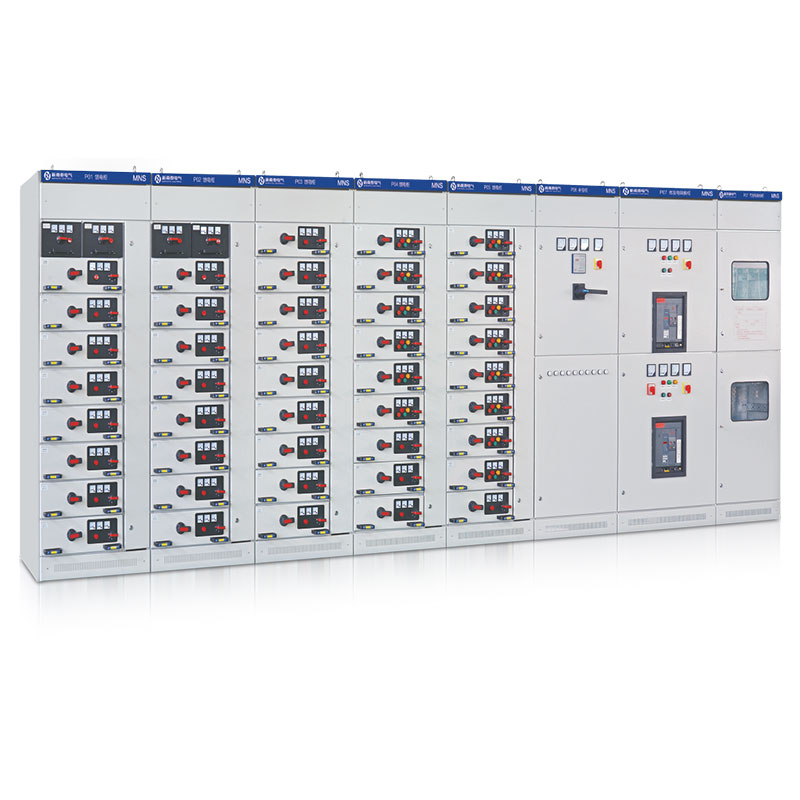
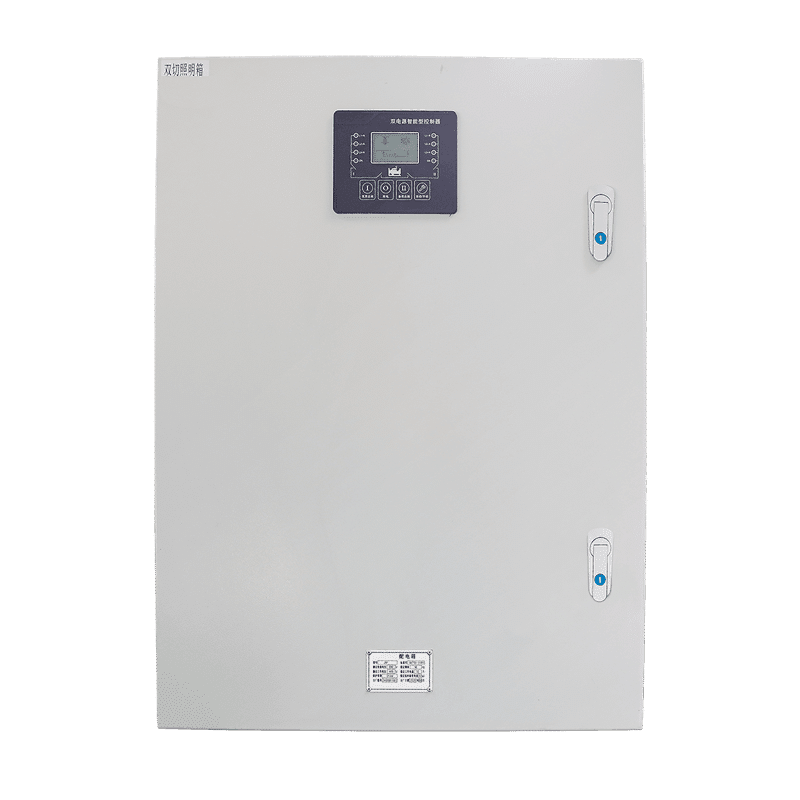
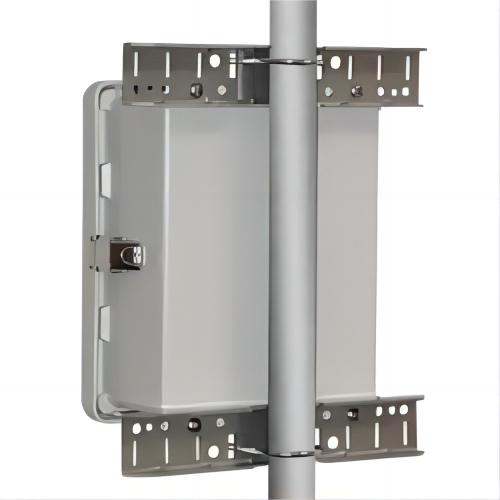
Use verified cabinet images as layout examples only. A documented project record is required before calling an image a pharmaceutical case study or claiming validation status.
 ES
ES  EN
EN  EN_ZA
EN_ZA  AR
AR  EN_GB
EN_GB  DE
DE  FR
FR  IT
IT  JA
JA  ZH
ZH  TR
TR  RU
RU  EN_CA
EN_CA  EN_AU
EN_AU  NL
NL  PT
PT  FA
FA