

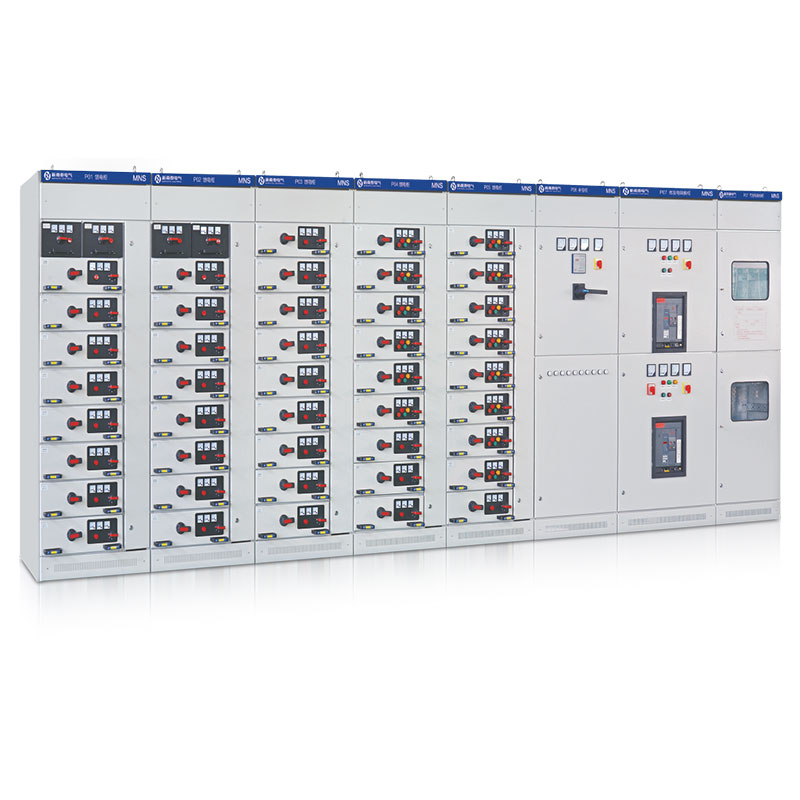


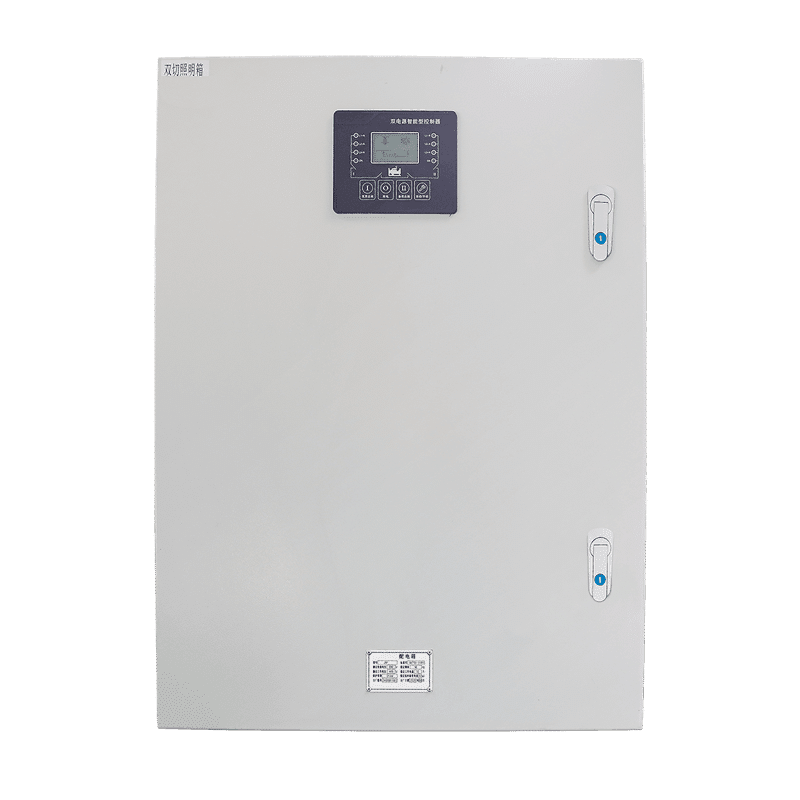


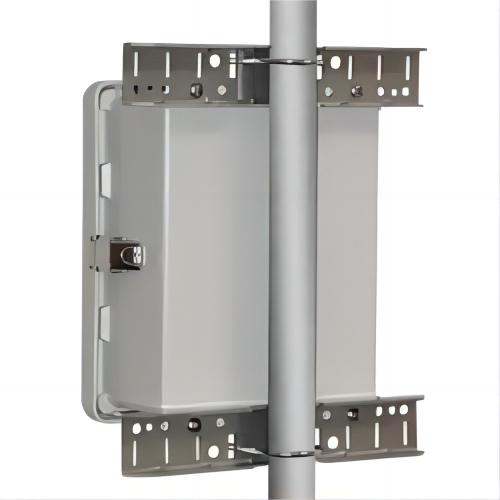


Industrial control panel wiring is not only a matter of connecting devices. Before a panel is assembled, the control objective, power boundaries, I/O, field devices, protection, labeling, and documentation need to be defined together. This planning view helps a buyer or engineering team prepare a clearer specification without presenting an unverified wiring diagram as a project design.
What industrial control panel wiring must achieve
A control panel normally connects a power or control source to the equipment that performs a process. The wiring plan should make the intended relationships clear:
– which circuits supply power and which circuits carry control signals; – which devices are controlled locally and which signals are exchanged with a PLC, HMI, or another system; – how field devices, alarms, interlocks, and feedback are identified; and – which documents will be used to build, inspect, troubleshoot, and maintain the panel.
The exact arrangement depends on the equipment and project requirements. A generic diagram cannot establish the correct conductor size, protection, terminal assignment, or compliance scope for every panel.
Inputs to collect before the wiring layout
1. Equipment and power information
Start with the connected equipment list and the available supply information. Record motor or load data, incoming supply characteristics, control voltage requirements, and any drive, starter, transformer, or auxiliary load that will be included. If the supply or load data is incomplete, the wiring plan should remain a design input list rather than a final connection schedule.
2. I/O and signal list
List every field input and output by function, signal type, normal state, and destination. Typical entries may include level, pressure, temperature, run feedback, fault feedback, valve command, alarm, and emergency-stop interfaces. The list should identify whether a signal is discrete, analog, networked, or reserved for future use.
3. Control architecture
Define the role of each control layer before assigning terminals. A PLC may execute logic, an HMI may present status and commands, and motor-control devices may handle switching or speed control. The Armario de control PLC page can be used as the product-level reference, while the Electrical Control Panel Components guide provides background on common device groups.
4. Environment and installation constraints
Document the installation location, enclosure requirements, cable entry direction, mounting method, ambient conditions, access requirements, and segregation needs. These inputs affect the physical layout and cable-routing approach. They should not be replaced with an assumed NEMA or IP rating unless the exact product documentation confirms it.
Documents that make a wiring plan usable
A practical documentation set usually separates different kinds of information instead of putting every detail on one drawing:
| Document | Purpose |
|---|---|
| Load and device schedule | Identifies connected equipment and basic data |
| I/O list | Defines field signals, states, and PLC/HMI mapping |
| Terminal schedule | Shows field cable, terminal, and destination references |
| Panel layout | Shows physical device locations and service clearances |
| Schematic or functional diagram | Explains circuit relationships at the level approved for the project |
| Cable and labeling schedule | Keeps field identification consistent during assembly and service |
| Revision record | Shows what changed and which issue is current |
The document names and level of detail should follow the project workflow. A supplier can use the information to prepare a quotation or drawing package, but the final wiring must still be checked against the approved design and applicable requirements.
Layout decisions that affect wiring quality
Separate power, control, analog, and communication paths according to the project requirements. Keep terminal identification consistent with the I/O list and leave a clear relationship between the panel layout and the schematic. Provide practical access for inspection and maintenance, while avoiding claims about a specific clearance rule unless the governing standard and installation context are known.
Label field cables, terminals, protective devices, and major components with a repeatable scheme. A consistent label makes troubleshooting easier and prevents a drawing revision from becoming disconnected from the physical panel.
Questions to send with an RFQ
Include the following with a control-panel inquiry:
- equipment and motor/load schedule;
- incoming power and control-voltage information;
- I/O and alarm list;
- required PLC, HMI, drive, or communication interfaces;
- installation environment and enclosure constraints;
- preferred cable entry and mounting arrangement; and
- required document and revision format.
For a specific application, add the process sequence and the conditions that cause a start, stop, alarm, or interlock. This is more useful than requesting a generic wiring diagram without the process context.
Final check
Before a wiring package is released, compare the device schedule, I/O list, terminal schedule, layout, and schematic against one another. Confirm that every field signal has a documented destination and that every major device appears consistently across the relevant documents. The final design, assembly, inspection, and commissioning scope should be confirmed from project-specific engineering information.
Related resources
– Electrical Control Panel Guide – How to Design Efficient Electrical Control Panels – Armario eléctrico a medida
Plan the wiring information before producing drawings
Industrial control panel wiring planning should establish the device list, terminal and interface responsibilities, control signals, power separation, labels, access, and documentation requirements before any drawing is treated as final. A planning article cannot replace an approved schematic or site-specific wiring review.
Review questions for the design team
- Which circuits are power, control, safety, instrumentation, or communication?
- Which external devices own each signal and terminal?
- How will cables enter, terminate, identify, and be maintained?
- Who approves the final drawings and performs installation or commissioning?
Use the control panel components guide for terminology, but do not publish a project wiring diagram without engineering review.
 ES
ES  EN
EN  EN_ZA
EN_ZA  AR
AR  EN_GB
EN_GB  DE
DE  FR
FR  IT
IT  JA
JA  ZH
ZH  TR
TR  RU
RU  EN_CA
EN_CA  EN_AU
EN_AU  NL
NL  PT
PT  FA
FA