







Agricultural irrigation control panels coordinate pumps, valves, sensors, schedules, alarms, and remote monitoring for a defined irrigation system. The correct arrangement depends on the water source, pump and valve equipment, field layout, operating sequence, environmental conditions, and the responsibilities of the irrigation and electrical teams.
This article is an application-planning guide. It does not claim a specific farm project, irrigation controller model, communication service, or certified outdoor installation for any product shown on this website.
Define the irrigation system boundary
Before choosing a panel, describe the part of the irrigation system the control cabinet will operate. A project may include a water source, pumps, filtration, valves, tanks, sensors, weather inputs, fertigation equipment, remote monitoring, or a higher-level farm management system.
Record:
- the water source, storage, pumps, and distribution zones;
- valves, actuators, filters, dosing equipment, and field devices;
- normal, scheduled, manual, standby, and fault operating modes;
- pressure, flow, level, soil, weather, or other process feedback; and
- local, remote, cellular, radio, or plant-system interfaces required by the project.
The phrase “irrigation control panel” does not define the required I/O, communications, enclosure, or control logic.
Common irrigation control functions
Pump and water-source control
The panel may coordinate pump starting, stopping, alternation, permissives, alarms, or variable-speed operation. Define pump and motor data, pressure or flow objectives, dry-run protection responsibility, and the expected response to loss of feedback.
Zone and valve control
Irrigation zones may require scheduled valve operation, sequencing, feedback, and fault indication. The zone list should identify each valve, actuator, cable route, power source, and field responsibility.
Filtration and treatment interfaces
Filters, dosing systems, and treatment equipment can introduce additional status, alarm, and interlock signals. The panel scope should state which equipment is controlled, which signals are provided by others, and who owns the process sequence.
Remote monitoring and scheduling
Remote operation may involve a local controller, HMI, farm-management platform, cellular connection, radio link, or another approved interface. Define the required data, alarm ownership, access responsibilities, and behavior when communication is unavailable. Do not infer a particular wireless or cloud capability from a generic image.
Environmental and enclosure inputs
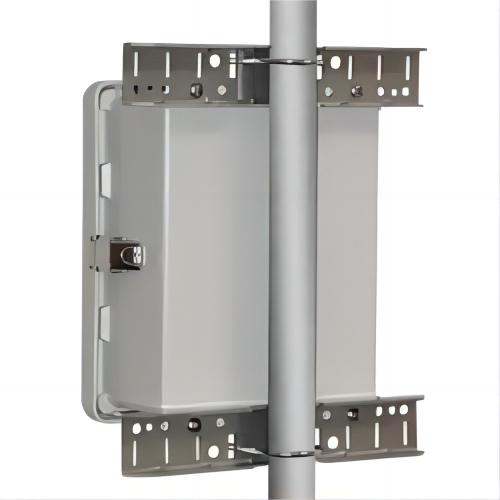
Agricultural installations can face rain, dust, soil, fertilizer, chemicals, sunlight, temperature changes, condensation, insects, vibration, and difficult maintenance access. Review mounting, cable entry, drainage, corrosion strategy, heat, door access, labels, and service clearances together.
If a NEMA or IP classification is required, confirm it for the exact model and configuration. The material, color, or appearance of a cabinet does not prove an environmental rating.
Information needed before quotation
| Input area | Questions to define |
|---|---|
| Water system | What source, pumps, storage, pressure, flow, and zones are included? |
| Field devices | Which valves, sensors, meters, filters, and dosing devices connect? |
| Control sequence | Which schedules, priorities, alternation, permissives, and alarms apply? |
| Interfaces | What local, remote, monitoring, and maintenance interfaces are required? |
| Environment | What outdoor exposure, chemicals, temperature, mounting, and access apply? |
| Documentation | Which drawings, I/O lists, labels, manuals, and test records are required? |
| Responsibilities | Who supplies process data, installs field wiring, programs, and commissions? |
This information helps distinguish a pump control panel from a broader irrigation automation system.
Application planning checklist
Before approving a control-panel scope, confirm:
- the pump, valve, sensor, and zone list;
- the operating sequence and manual/automatic modes;
- alarm, permissive, interlock, and loss-of-communication behavior;
- local and remote control responsibilities;
- enclosure and field installation conditions;
- cable, terminal, labeling, and documentation requirements; and
- assumptions, exclusions, and commissioning boundaries.
For pump-specific planning, see the pump control panel design guide. For broader PLC architecture, see the PLC control cabinet page.
Image and case-study boundary
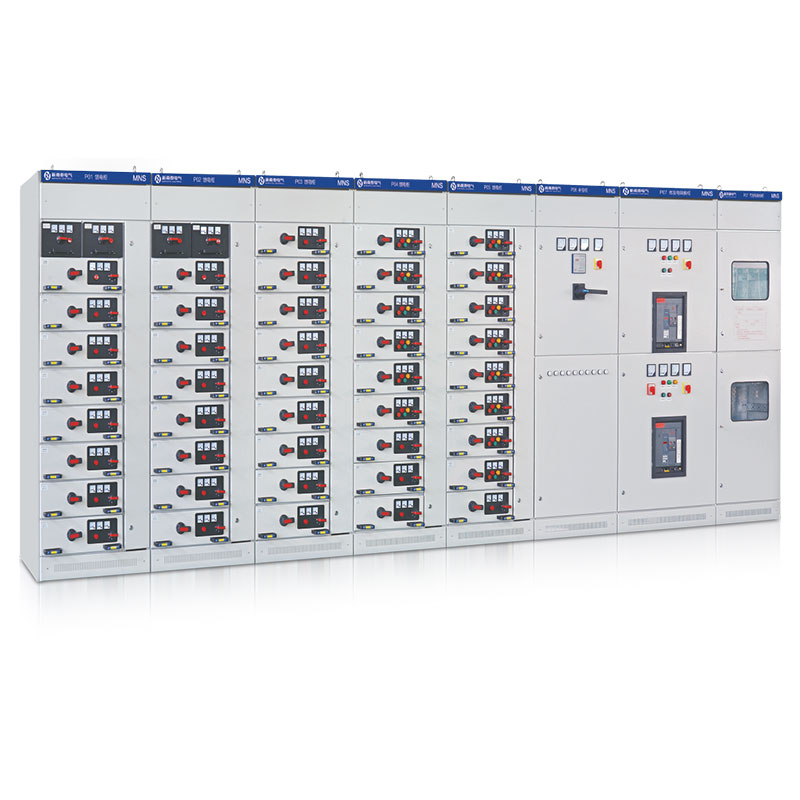
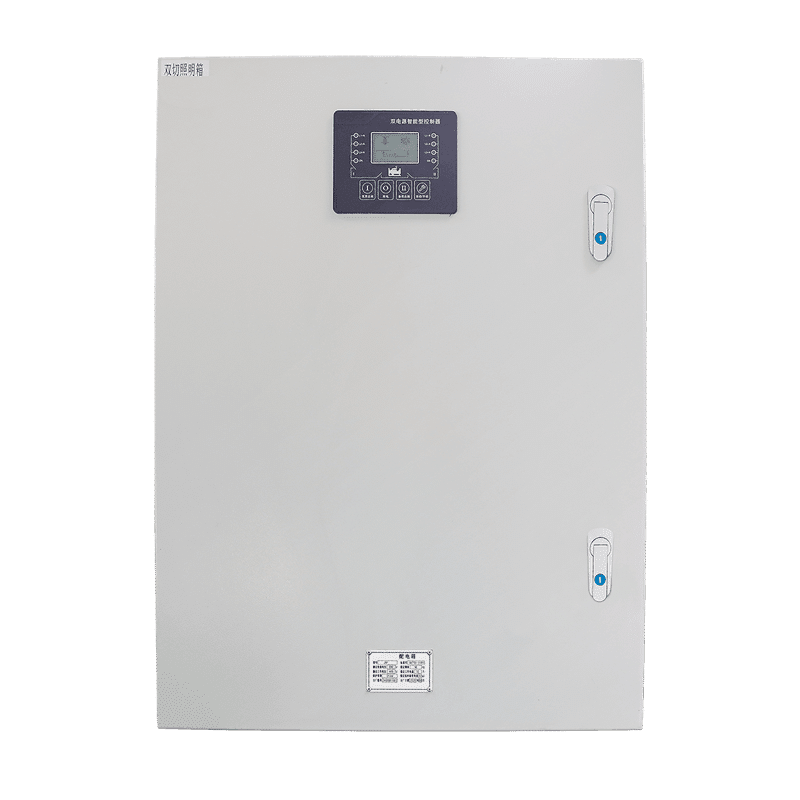
Agricultural or irrigation images can illustrate an application context, but they do not prove that a particular customer project was delivered, that a controller supports a specific field size, or that a cabinet has a particular rating. Use captions such as “illustrative irrigation application” unless project evidence is available.
Final review
An agricultural irrigation control panel should be specified from the water system, field devices, control sequence, environment, interfaces, and documentation requirements together. A clear boundary between the control cabinet, irrigation equipment, field installation, and remote platform prevents assumptions from becoming undocumented project requirements.
 EN_AU
EN_AU  EN
EN  EN_ZA
EN_ZA  AR
AR  EN_GB
EN_GB  DE
DE  ES
ES  FR
FR  IT
IT  JA
JA  ZH
ZH  TR
TR  RU
RU  EN_CA
EN_CA  NL
NL  PT
PT  FA
FA