







Why maintenance planning starts before delivery
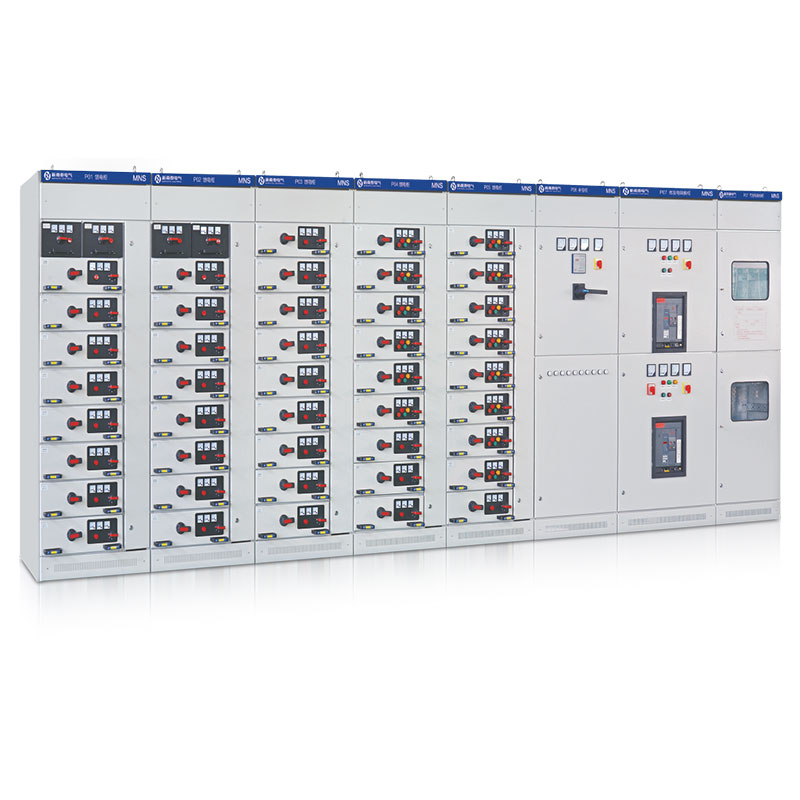
Switchgear maintenance is not a single checklist that applies to every lineup. The required tasks depend on the equipment type, voltage, switching devices, enclosure, environment, operating duty, manufacturer instructions, and site safety program. A useful maintenance plan connects the equipment schedule to inspection records, access requirements, spare parts, and responsibility boundaries.
Build an equipment register
Start with a register for each lineup, section, breaker, switch, relay, meter, transformer interface, cable termination, and auxiliary circuit. Record the manufacturer, model, serial or asset reference, location, service conditions, documentation source, and last maintenance date. Keep the register aligned with the as-built drawings.
| Record | Why it matters |
|---|---|
| Equipment identity | Prevents a checklist from being applied to the wrong assembly |
| Operating environment | Changes inspection frequency and enclosure concerns |
| Manufacturer instructions | Defines equipment-specific inspection and service limits |
| Protection and control records | Links alarms, relays, meters, and trip circuits to the lineup |
| Previous findings | Helps prioritize recurring defects and parts |
| Access and isolation plan | Ensures work is planned within the site safety process |
Visual and condition checks
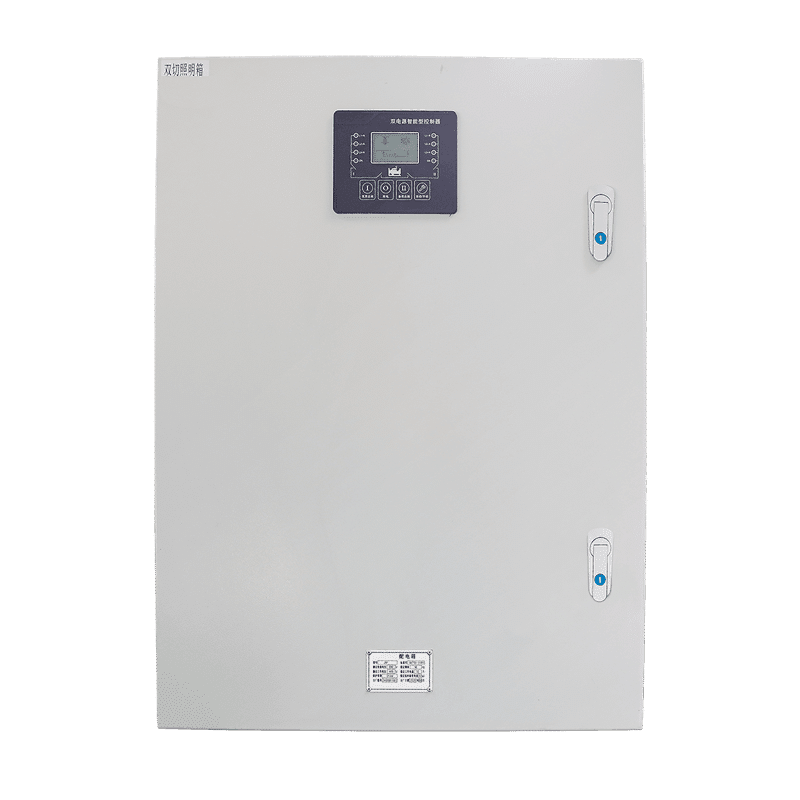
The maintenance team may inspect enclosure condition, doors, locks, labels, visible contamination, corrosion, moisture, cable entries, vents, heaters, indication, and signs of overheating. The exact inspection method and safe access must follow the site’s approved electrical safety procedure and the equipment manufacturer’s instructions.
Do not treat a visual inspection as proof that a switchgear assembly is electrically safe, correctly rated, or ready for energization. Findings that require testing or de-energized work should be assigned to qualified personnel under the approved procedure.
Protection, control, and auxiliary circuits
Document the condition and service status of protection relays, meters, control power, trip/close circuits, interlocks, shutters, indication, and communication interfaces. The plan should state who verifies settings, who owns the protection study, and how changes are recorded. A generic article should not prescribe relay settings or test intervals for a specific installation.
Environment and enclosure concerns
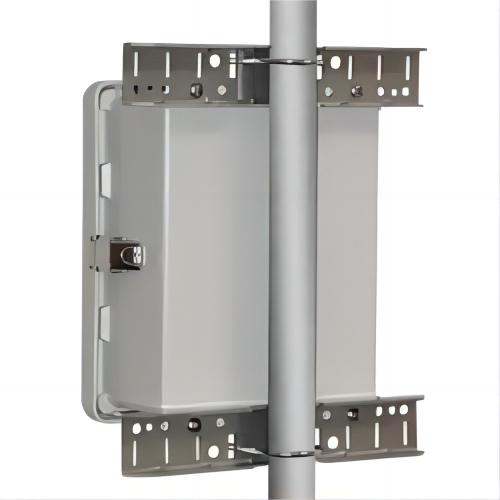
Dust, humidity, condensation, salt, corrosive gases, vibration, and temperature cycling can affect switchgear condition. Record the enclosure environment and inspect the sealing, drainage, heaters, filters, and cable-entry areas where relevant. If the installation has an unusual or hazardous environment, obtain equipment-specific engineering guidance rather than assuming a general maintenance method.
Records and escalation
Each maintenance event should record the asset, date, personnel, safe-work reference, observations, measurements if approved, parts used, photographs where permitted, defects, and follow-up owner. Escalate evidence of overheating, moisture ingress, corrosion, mechanical damage, abnormal operation, repeated trips, or protection anomalies to the responsible engineering team.
Planning checklist
- Confirm the asset register and current drawings.
- Review manufacturer instructions and the site safety procedure.
- Define isolation, access, and qualified-person responsibilities.
- Inspect condition and environmental factors within the approved scope.
- Record findings and assign corrective actions.
- Update the maintenance history and equipment documentation.
Scope boundary
This guide does not replace an electrical safety program, manufacturer service manual, commissioning procedure, protection study, or test standard. It provides a planning framework so the equipment owner and qualified service team can define the correct scope.
ElectricalCabinet.net can use the equipment and environment inputs to route a switchgear enquiry toward the appropriate LV, MV, AIS, GIS, RMU, or substation capability.
 AR
AR  EN
EN  EN_ZA
EN_ZA  EN_GB
EN_GB  DE
DE  ES
ES  FR
FR  IT
IT  JA
JA  ZH
ZH  TR
TR  RU
RU  EN_CA
EN_CA  EN_AU
EN_AU  NL
NL  PT
PT  FA
FA