







Why transformers are operated in parallel
Parallel transformers can increase available capacity, support staged expansion, and improve continuity when the system is designed for safe load transfer. The arrangement is not achieved simply by connecting two units to the same bus. Electrical compatibility and protection coordination must be demonstrated first.
Core compatibility checks
| Check | Planning question |
|---|---|
| Voltage ratio and tap position | Will the secondary voltages match at the intended operating taps? |
| Vector group and phase sequence | Are phase displacement and polarity compatible? |
| Percent impedance | Will the units share load without excessive circulating current? |
| kVA and frequency | Are ratings on a compatible operating basis? |
| Short-circuit duty | Can the bus, breakers, and cables withstand the combined fault level? |
| Protection and control | Are trips, interlocks, metering, and incomer logic coordinated? |
Small differences in ratio or impedance can cause circulating current or uneven loading. Confirm tolerances using manufacturer data and a system study rather than relying on nominal nameplate values.
Information to collect
Collect each transformer’s rating, primary and secondary voltage, vector group, impedance, tap range, cooling method, grounding connection, phase sequence, and test records. Also define whether paralleling is permanent, seasonal, automatic, or manual, and identify the bus coupler and maintenance states.
Scope boundary
This article is a selection checklist, not a paralleling approval or protection study. The responsible engineer must verify fault levels, synchronization or transfer logic, earthing, and operating procedures.
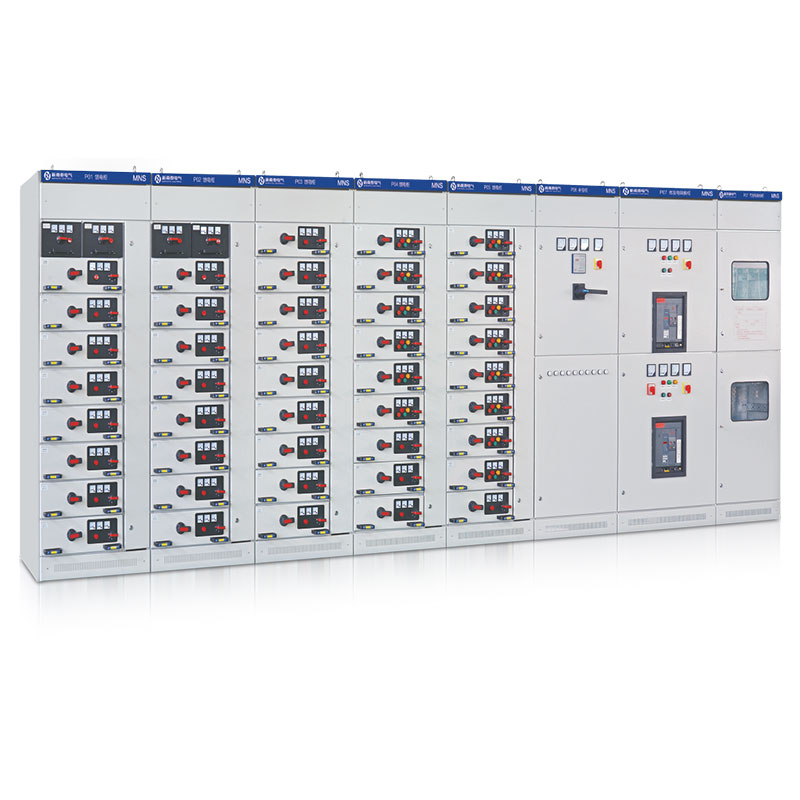
ElectricalCabinet.net can coordinate transformer, switchgear, and control-panel inputs into one enquiry package.
 TR
TR  EN
EN  EN_ZA
EN_ZA  AR
AR  EN_GB
EN_GB  DE
DE  ES
ES  FR
FR  IT
IT  JA
JA  ZH
ZH  RU
RU  EN_CA
EN_CA  EN_AU
EN_AU  NL
NL  PT
PT  FA
FA