

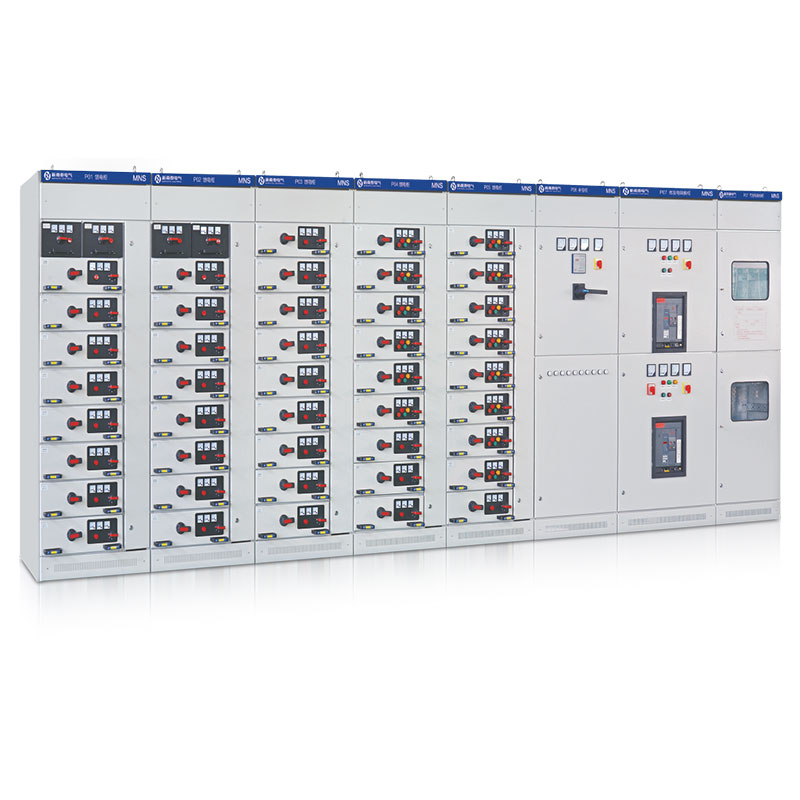


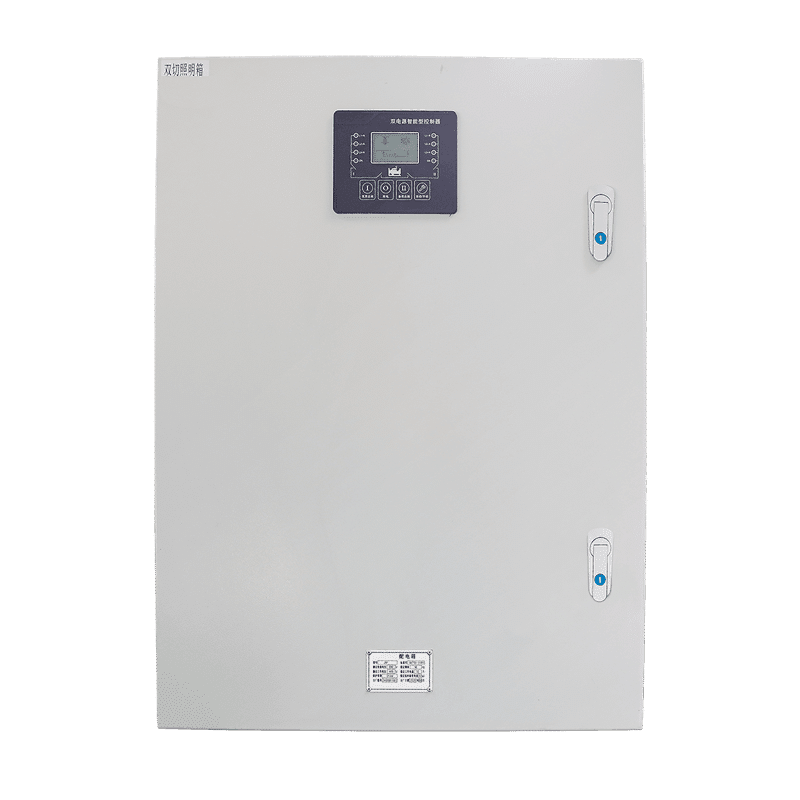


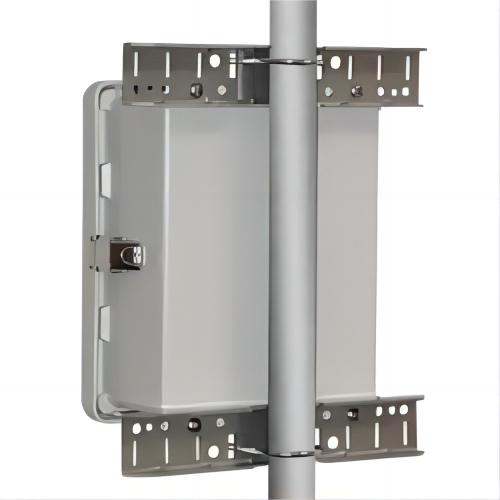


Solar generation and energy-storage equipment may place inverters, disconnects, batteries, monitoring devices, and auxiliary controls in indoor or outdoor enclosures. The enclosure brief must begin with the equipment, heat, environment, and service model; the application name alone is not a complete specification.
Define the equipment boundary
List the inverter or power-conversion equipment, disconnects, protection devices, monitoring components, communication hardware, batteries if applicable, and cable interfaces. State whether the enclosure is for distribution, controls, batteries, communications, or a combined function. Record the owner of the system one-line and protection design.
Outdoor and thermal inputs
Capture solar exposure, ambient temperature, rain, dust, condensation, corrosion, snow or standing-water risk, mounting, access, and maintenance frequency. Record equipment losses and heat sources so the cooling or ventilation approach can be reviewed. Do not promise a battery fire rating, outdoor certification, or thermal performance without product and project evidence.
Cable and service planning
Define cable sizes, entry direction, bend radius, gland requirements, segregation, labels, isolation points, door access, and service clearances. Include the inspection and replacement workflow for components that require periodic maintenance.
Specification checklist
- Equipment list, system boundary, and approved one-line.
- Voltage, current, grounding, protection, and communication inputs.
- Heat load, outdoor exposure, condensation, corrosion, and mounting.
- Cable entry, segregation, access, labels, and service clearances.
- Monitoring, alarms, maintenance, manuals, and revision control.
Use cabinet images as enclosure or layout examples only. A photograph is not evidence of a deployed energy-storage project, battery certification, or fire-performance claim.
 FA
FA  EN
EN  EN_ZA
EN_ZA  AR
AR  EN_GB
EN_GB  DE
DE  ES
ES  FR
FR  IT
IT  JA
JA  ZH
ZH  TR
TR  RU
RU  EN_CA
EN_CA  EN_AU
EN_AU  NL
NL  PT
PT