







Smart-city cabinets can support street lighting, traffic equipment, environmental sensors, communications, public Wi-Fi, EV infrastructure, and other outdoor assets. The cabinet brief must separate the electrical distribution function from the communications and monitoring functions so that environmental and service requirements remain clear.
Search intent
The SERP for smart city electrical cabinet contains outdoor smart cabinets, street-light control cabinets, and infrastructure solution pages. This is an application-planning topic. It should not claim that one cabinet design fits every city or that a generic cabinet includes utility approval, telecom approval, or public-safety compliance.
Define the assets and interfaces
List every device installed in or connected to the cabinet: lighting circuits, contactors, photocells, controllers, meters, routers, switches, sensors, cameras, chargers, or remote I/O. For each device, record voltage, current, heat generation, network interface, cable entry, maintenance access, and responsibility for supply and commissioning.
Clarify whether the cabinet is a feeder/distribution cabinet, a street-light control cabinet, a communications cabinet, or a combined enclosure. Combining functions may increase heat, cable congestion, access restrictions, and coordination requirements.
Outdoor environment and service planning
Capture solar exposure, ambient range, rain, condensation, dust, corrosion, vandalism risk, mounting, drainage, door access, and local service practices. The enclosure material, locks, seals, cable entries, ventilation, and internal segregation should be selected from these conditions and the actual equipment heat load.
Define the maintenance model: utility access, contractor access, remote monitoring, spare parts, inspection records, and change control. Do not promise a protection rating or public-infrastructure approval without the selected product documentation and local requirements.
Power and communication coordination
Record incoming power, grounding, overcurrent protection, surge-protection requirements, circuit schedules, metering, battery or UPS needs, and the electrical engineer’s fault information. For communications, define network ownership, protocol, remote diagnostics, cybersecurity requirements, and separation from power wiring.
Planning checklist
- Asset list, cabinet function, and responsibility boundaries.
- Power, grounding, protection, metering, and surge inputs.
- Device heat load, dimensions, cable entries, and service clearances.
- Outdoor exposure, corrosion, condensation, vandalism, and mounting.
- Communications topology, remote monitoring, and access control.
- Drawings, labels, inspection records, manuals, and spare parts.
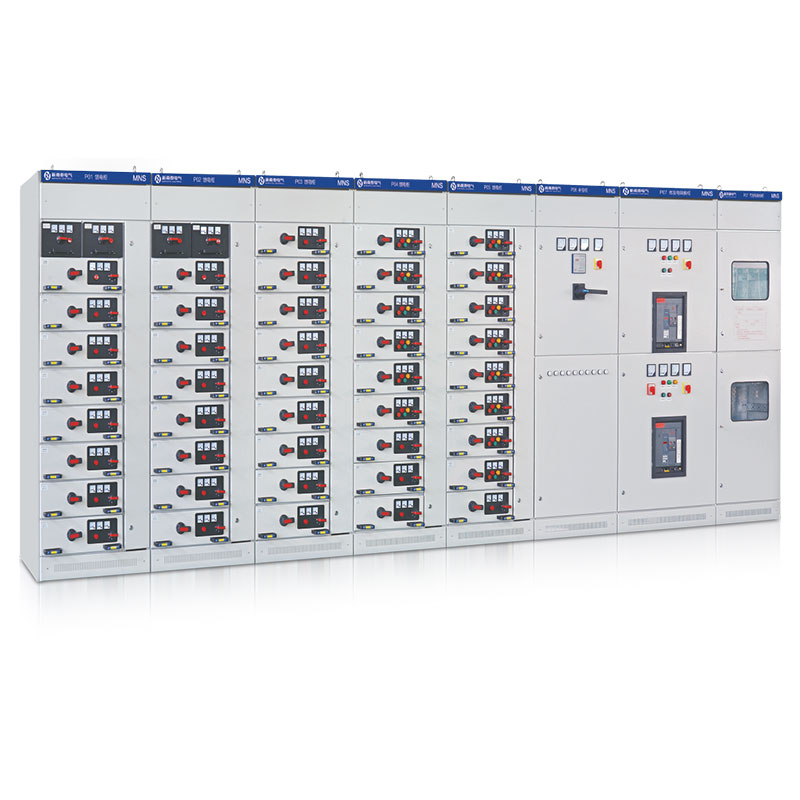
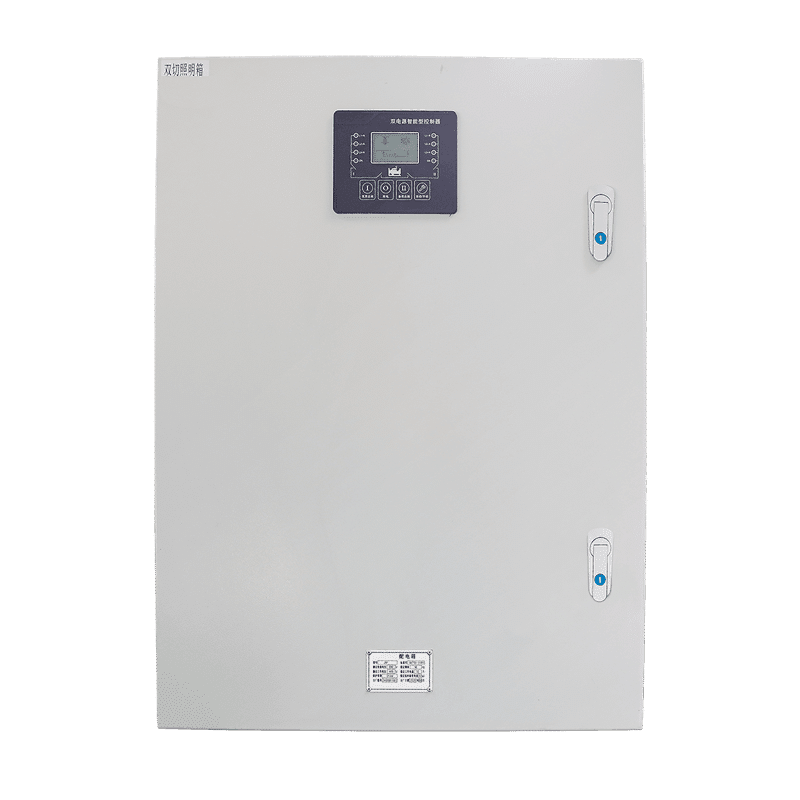
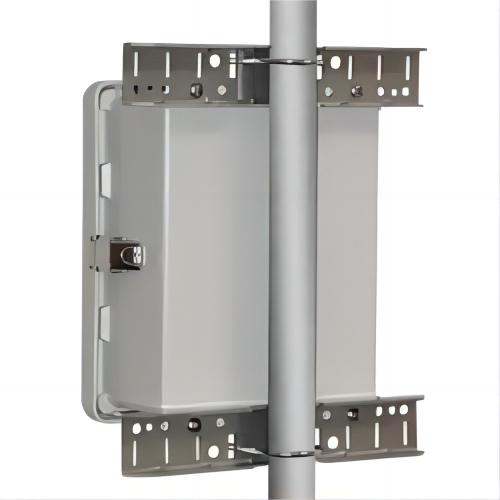
Use cabinet images to illustrate physical layout and access only. A product image is not evidence of a deployed city project or local approval.
 EN_ZA
EN_ZA  EN
EN  AR
AR  EN_GB
EN_GB  DE
DE  ES
ES  FR
FR  IT
IT  JA
JA  ZH
ZH  TR
TR  RU
RU  EN_CA
EN_CA  EN_AU
EN_AU  NL
NL  PT
PT  FA
FA