

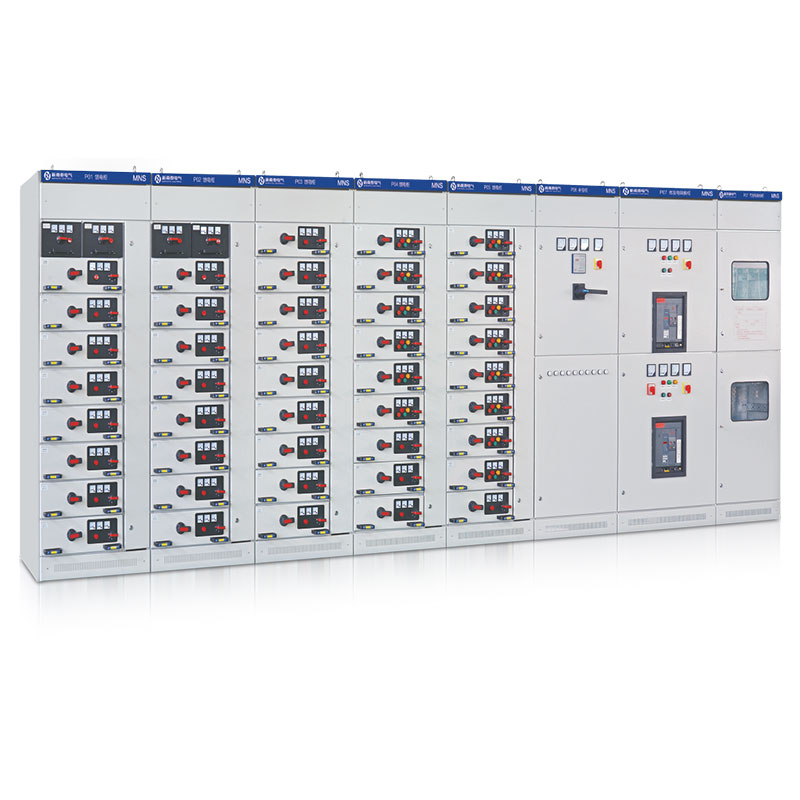


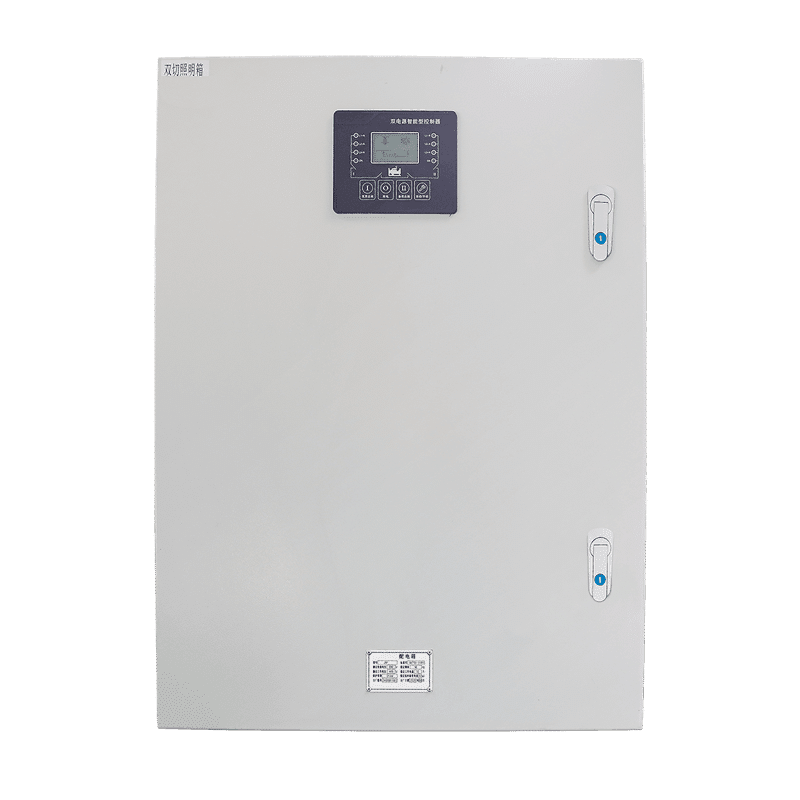


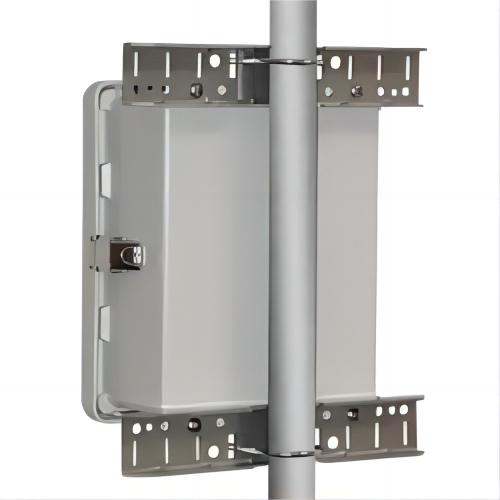


Water treatment facilities may use several control-panel functions rather than one universal “water treatment panel.” The right arrangement depends on the process stages, pumps, valves, instruments, alarms, chemical systems, and monitoring requirements. This guide groups panel types by function so a project team can describe what it needs before requesting a quotation.
The Water Treatment Control Panel Architecture article explains how the layers fit together. This article focuses on the distinct functional roles that may appear in a treatment project.
1. Process PLC control panel
A process PLC panel coordinates signals and logic for a defined treatment sequence. It may receive level, pressure, flow, quality, or equipment-status signals and issue commands to pumps, valves, drives, and alarms.
Before selecting the panel, document the process sequence, I/O list, operating modes, alarm states, communications, and required operator interface. A PLC panel title does not establish a specific PLC family, I/O count, protocol, or programming scope.
2. Pump control panel
Pump panels manage one or more pumps and their starting, stopping, protection, feedback, and sequence. A project may use simplex, duplex, lead/lag, or another arrangement based on the process duty.
Provide pump and motor data, duty point, sensor inputs, normal and abnormal conditions, and the response when a pump faults or fails to prove operation. The Pump Control Panel Design and Duplex Pump Control Panel articles provide focused checklists.
3. VFD control panel
A VFD panel is used when variable-speed operation is part of the process objective. The drive may be used for pressure, flow, level, or another control requirement, but the final arrangement depends on the motor, pump, process, and control sequence.
Define motor data, speed range, feedback, acceleration and stop requirements, alarms, bypass or fallback expectations, and heat or installation conditions. The VFD Pump Control Panel Selection article explains the pump-specific inputs.
4. Valve and actuator control panel
Treatment processes may require commands and feedback for motorized valves, actuators, gates, or other flow-control devices. The panel must distinguish command, open/closed proof, fault, local/remote status, and any process interlock.
List each valve or actuator, its signal type, normal state, failure response, and relationship to the process sequence. Do not assume that a generic PLC panel includes the required actuator power or interfaces.
5. Chemical dosing control interface
Chemical dosing equipment may require pump commands, tank-level signals, flow or feedback signals, alarms, and interlocks. The correct interface depends on the chemical process and the equipment supplied.
Describe what the panel must monitor and control, and identify which equipment is supplied by the dosing package. Avoid publishing chemical-handling, safety, or dosing-performance claims without project and product evidence.
6. Monitoring and communication panel
Some projects need a dedicated interface for HMI, SCADA, remote status, data logging, or communications. Define the source signals, receiving system, alarm ownership, network boundary, and required documents.
Do not assume a protocol, remote-access feature, cybersecurity scope, or data-retention function from the phrase “smart” or “remote monitoring.” These items belong in the project specification.
How the panel types work together
The functions above may be combined into one cabinet or divided into several panels. A small installation may combine PLC, pump, valve, and alarm functions. A larger facility may separate power, motor control, process PLC, chemical equipment, and supervisory interfaces.
Choose the arrangement from the process and I/O boundaries, not from the number of product names on a brochure. The final architecture should identify which panel owns each signal, command, alarm, and interlock.
Water treatment panel selection checklist
Provide:
- process stages and sequence;
- pump, valve, actuator, and chemical-equipment list;
- motor and load data;
- sensors, I/O, alarms, and interlocks;
- PLC, HMI, SCADA, and communication requirements;
- installation environment and enclosure constraints;
- required drawings, manuals, inspection, and programming scope; and
- assumptions, exclusions, and site responsibilities.
The supplier should return a clear panel boundary and identify included devices, interfaces, documents, and exclusions. This makes a water treatment panel proposal easier to compare without presenting a generic diagram as a project design.
Use process responsibility to organize the panel types
Water-treatment panel types can be grouped by the process equipment and control responsibility they support: pumping, dosing, level management, filtration, monitoring, or a broader PLC-based sequence. These labels are useful for organizing an inquiry, but they do not define the required I/O, ratings, communications, or enclosure construction.
What every type description should include
- The process function and equipment controlled.
- Required sensors, alarms, interlocks, and operator interfaces.
- Local, remote, and automatic operating modes.
- Environmental, documentation, and maintenance requirements.
See the water-treatment control architecture guide for the system-level planning view.
 EN_CA
EN_CA  EN
EN  EN_ZA
EN_ZA  AR
AR  EN_GB
EN_GB  DE
DE  ES
ES  FR
FR  IT
IT  JA
JA  ZH
ZH  TR
TR  RU
RU  EN_AU
EN_AU  NL
NL  PT
PT  FA
FA