

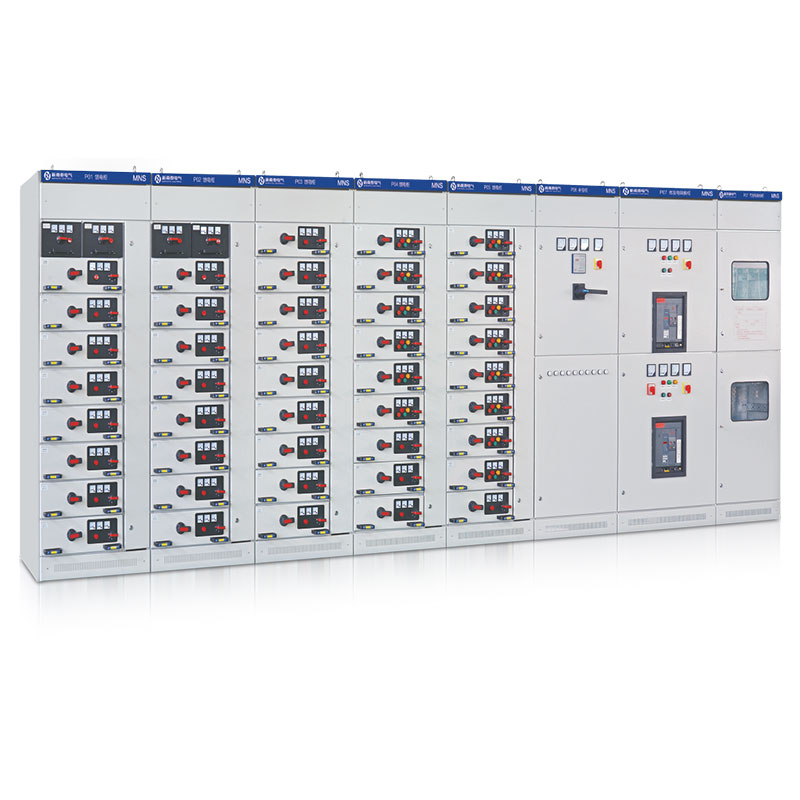


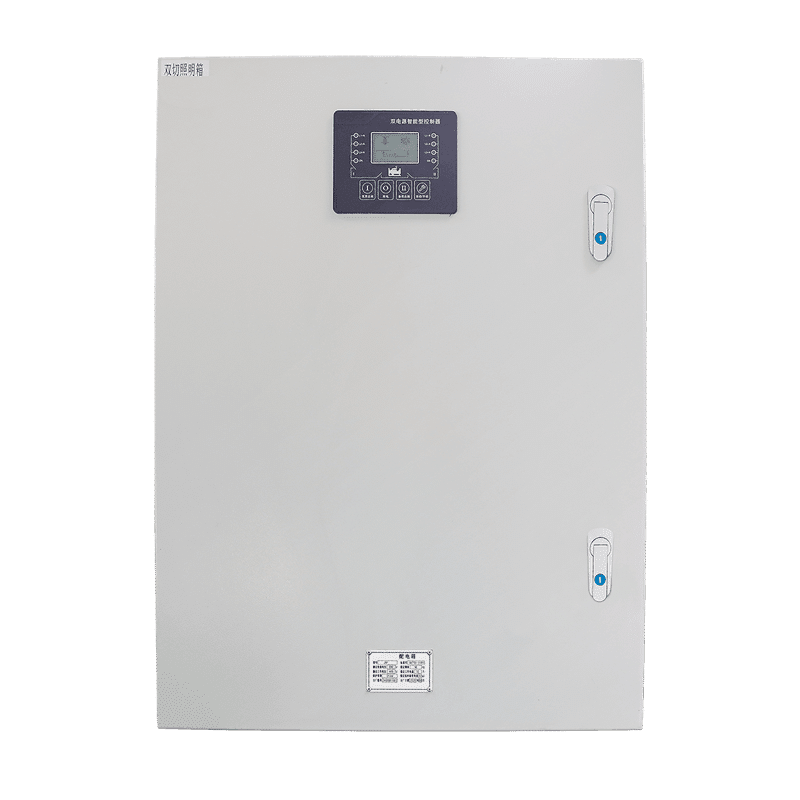


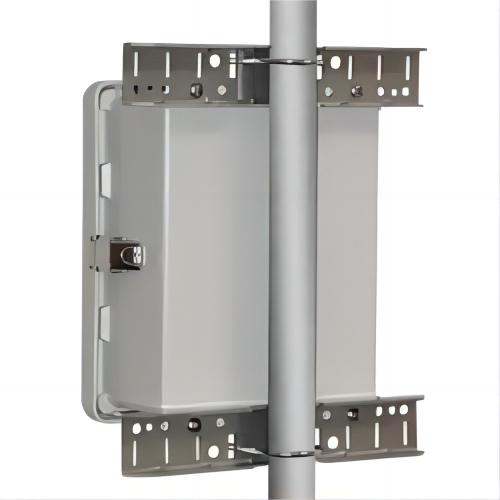


Environmental monitoring cabinets can house sensors, data loggers, power supplies, communications, sampling equipment, and local controls. The design depends on the measured variables, site exposure, data path, and service model.
Define what is monitored
List temperature, humidity, pressure, water level, air quality, particles, flow, or other project-defined measurements. Record sensor ranges supplied by the instrumentation team, signal types, calibration ownership, power, communication, alarm, and data-retention requirements.
Enclosure and service inputs
Document indoor/outdoor exposure, condensation, dust, chemicals, sunlight, mounting, cable entries, ventilation, access, and maintenance frequency. Separate sensor mounting and sampling requirements from the cabinet’s electrical protection function.
Checklist
- Sensor list, ranges, signal types, power, and calibration owner.
- Data logger, network, alarm, and remote-monitoring interfaces.
- Environment, material, seals, cable entry, cooling, and access.
- Labels, records, maintenance, spare parts, and change control.
Use enclosure images as application examples. They do not prove measurement accuracy, environmental compliance, or a deployed monitoring network.
 EN_AU
EN_AU  EN
EN  EN_ZA
EN_ZA  AR
AR  EN_GB
EN_GB  DE
DE  ES
ES  FR
FR  IT
IT  JA
JA  ZH
ZH  TR
TR  RU
RU  EN_CA
EN_CA  NL
NL  PT
PT  FA
FA