

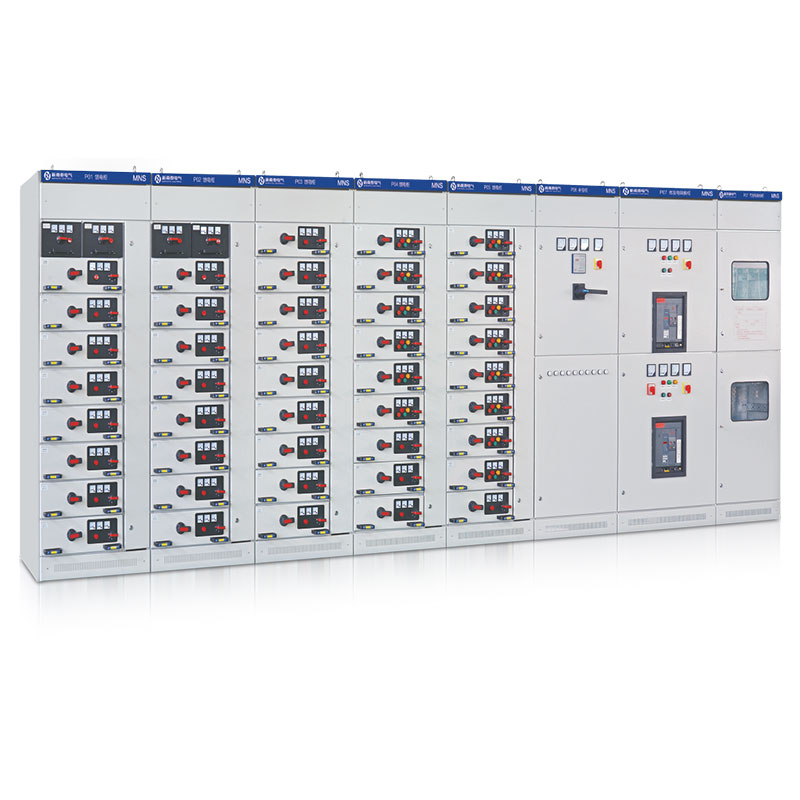


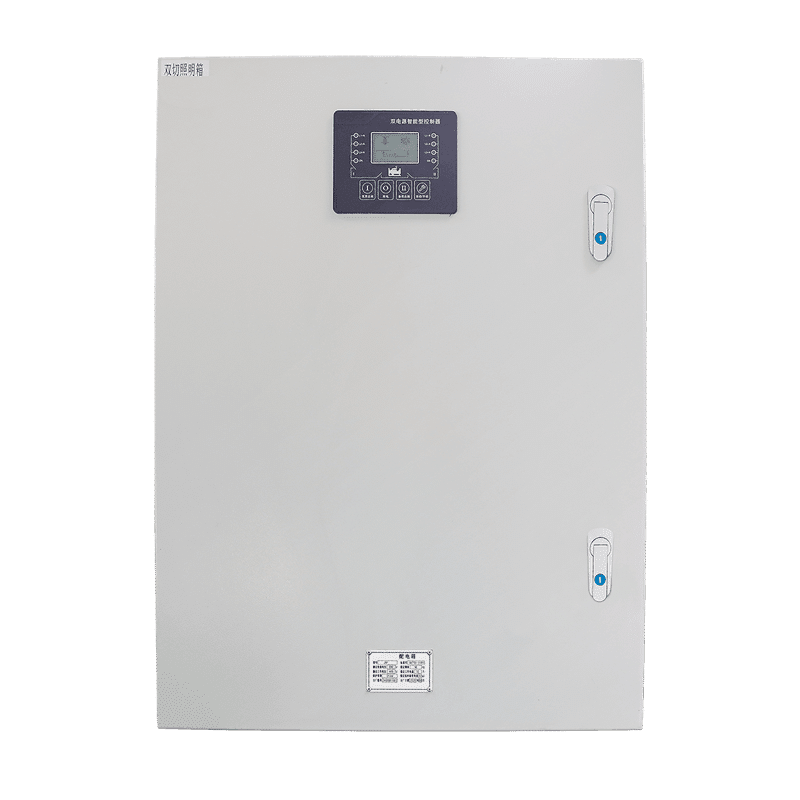


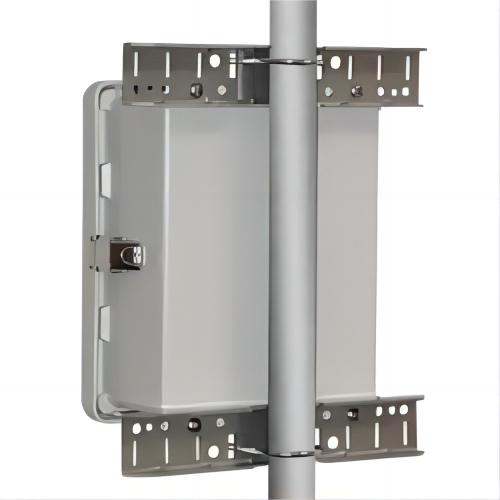


Remote I/O can reduce field wiring or place signals closer to equipment, but it adds network, power, environmental, and maintenance decisions. Selection should follow the process layout and control architecture.
Map the signals and locations
Record I/O type, ranges, locations, cable distances, update needs supplied by the project, local environment, power, network, diagnostics, spare capacity, and responsibility for the PLC, remote rack, and field devices.
Panel and network inputs
Review enclosure, mounting, heat, cable entry, grounding, shielding, network topology, access, labels, replacement, and maintenance. Keep the I/O list, network diagram, terminal plan, and software configuration aligned.
Checklist
- Signal, location, distance, power, and environment.
- Network, diagnostics, grounding, shielding, and spare capacity.
- Enclosure, cable entry, mounting, access, and service.
- Drawings, labels, manuals, backups, and change control.
Use remote-I/O cabinet images as examples, not as proof of a specific protocol or installed system.
 AR
AR  EN
EN  EN_ZA
EN_ZA  EN_GB
EN_GB  DE
DE  ES
ES  FR
FR  IT
IT  JA
JA  ZH
ZH  TR
TR  RU
RU  EN_CA
EN_CA  EN_AU
EN_AU  NL
NL  PT
PT  FA
FA